


Parents have a duty to their children. By having a child, they are taking on an immense responsibility, possibly one of the greatest responsibilities a human can take on. They are bringing another living being into the world, and are acting as their primary caregiver. Peaceful parenting focuses on guidance, support, and respect rather than control and fear. It involves setting clear boundaries while also allowing children age-appropriate autonomy, privacy, and opportunities to express themselves. But oftentimes, parents fall into selfish, controlling, and manipulative patterns with how they chose to parent their children. Unfortunately, our legal system gives incredible leeway to just how oppressive a parent is allowed to be with their children, completely ignoring the effects on the child’s development and well-being. A child living with a parent who exhibits these overly strict behaviors is experiencing what NYRA calls Parental Oppression.
Young people deserve to have pleasant homes, where their autonomy is respected by adults, instead of them being unfairly punished, controlled or treated like property. In the following webpage, the National Youth Rights Association explains parental oppression, what it is, the major types of it, and tips for how youth living in oppressive homes can navigate their situation.
Table of Contents
- What is Parental Oppression?
- Have you Experienced Parental Oppression?
- Types of Parental Oppression
- Overbearing Expectations About a Child’s Future
- Overbearing Responsibilities that Hinder Development
- Emotional Abuse
- Corporal Punishment
- Manipulation and Gaslighting
- Punishment for Questioning
- Hindering Education
- Homeschool Abuse
- Preventing Work and Labor
- Limiting Financial Independence
- Financial Exploitation
- Preventing Interactions with Friends
- Restricting Romantic Relationships
- Unreasonable Restrictions on Leaving Home
- Theft of a Child’s Money
- Parental Identity Theft
- Preventing Access to Identification and Documentation
- Withholding Food as Punishment
- Violating Privacy
- Device Monitoring and Restricting
- Property Seizure
- Medical Neglect
- Denial of Mental Health Care
- Restriction of Self Expression
- Discrimination Against Queer Identity
- Political indoctrination
- Sheltering from Ideas and Information
- Religious Indoctrination
- Effects of Parental Oppression on Young People
- What is Legally Considered Child Abuse?
- Going into the CPS System – What to Expect
- How to Navigate Living with Strict and Controlling Parents
What is Parental Oppression?
Parental oppression refers to patterns of control, restriction, and harmful behavior by a parent or caregiver that go beyond normal guidance or discipline and instead interfere with a child’s healthy development, autonomy, and well-being. While parents have broad authority to raise their children, problems arise when that authority is used in ways that suppress a child’s identity, independence, safety, or basic needs. This can take many forms, including overbearing expectations about a child’s future, excessive responsibilities that interfere with normal childhood development, emotional hostility, corporal punishment, manipulation, denial of privacy, restriction of friendships, control over money and work opportunities, suppression of self-expression, and rejection of a child’s identity or beliefs. In these situations, the child’s life becomes shaped more by fear, control, and compliance than by support, guidance, and growth.
Parental oppression can include physical abuse, but in many cases, it does not look like obvious abuse from the outside. Instead, it can appear as constant surveillance, isolation from peers, denial of mental health care, forced religious or political conformity, or preventing access to education, information, or financial independence. Over time, these patterns can undermine a child’s confidence, emotional health, and ability to develop into an independent adult. In our society, some of these parenting behaviors are not just accepted anrd normalized, but encouraged under the guise of “protecting” children. But parental oppression leaves out a key consideration: the actual thoughts and feelings of the young person it is affecting. Understanding what parental oppression looks like is important because many of these behaviors fall into a gray area that may not immediately trigger legal intervention, yet still cause significant harm to a child’s development and sense of self.
Have you Experienced Parental Oppression?
If you have experienced or are currently experiencing any of the following types of parental oppression listed on this page, or any other detrimental behavior from abusive, manipulative, controlling or strict parents, do not be afraid to speak out. If you wish to get your story out to the world, to raise awareness of these issues, do not hesitate to send us an email at nyra@youthrights.org or send us a message. The National Youth Rights Association is committed to fighting against injustice in family systems, and we will let you tell your story to the world. If you would like to help us advocate against parental oppression, feel free to Volunteer with NYRA!
If you are currently experiencing serious abuse in your household, contact local emergency services as soon as possible. Don’t wait, your safety should be the top priority.
Types of Parental Oppression
The following are the main types of parental oppression we have observed, taking the form of abusive, controlling, strict and manipulative behaviors. If there is any other type here that you think should be listed, feel free to contact us!
Overbearing Expectations About the Child’s Future
Overbearing expectations are a form of parental oppression; rigid, excessive demands involving setting perfectionist standards, strict control, and unrealistic goals for a child’s future that can harm a child’s mental health and growth. Parents who create these extreme expectations generally rely on predictable behavioral patterns to maintain control. Love, approval and warmth are treated as rewards for achievement, rather than baseline assumptions. Positive regard is conditional, not a standard. Parents view mistakes as catastrophic proof of incompetence or personal rejection, rather than as learning opportunities. This perfectionism is maladaptive and toxic, and the line between parent and child begins to dissolve. The child is treated as an extension of the parent’s identity rather than as an independent individual, as explained by Psychology Today. Parents will project their own anxieties, sacrifices, or unfulfilled career dreams onto the child, causing intense feelings of debt and obligation: emotionally guilt-tripping their own blood.
Common examples of this are parents enforcing Academic & Professional Perfectionism, Vicarious Living & Forced Life Paths and Rigid Behavioral Compliance.
Steare et al. (2023): Systematic review on academic pressure and mental health – This systematic review examined 52 studies and found that academic pressure (including pressure tied to high expectations and high-stakes performance periods) is commonly associated with worse adolescent mental health outcomes, especially depression/anxiety symptoms, and in some studies self-harm and suicide were outcomes. According to the review, “Forty-eight studies found evidence of a positive association between academic pressure… and at least one mental health outcome.”
Pienyu et al. (2024): Perceived parental pressure, anxiety, and well-being – This cross-sectional survey found that adolescents reporting high perceived parental academic pressure also showed substantial anxiety and low general well-being, consistent with the idea that “too high expectations” and pressure around performance can harm emotional functioning. According to the article, “Most of the adolescents, 496 (87.0%), have experienced high perceived parental… pressure…” and the same sample showed “moderately high anxiety” with “low general well-being.”
Overbearing Responsibilities That Hinder Development
While learning responsibility through chores is healthy, assigning excessive duties that interfere with a child’s schooling, sleep, social life, and normal development can be harmful. This includes situations where children are expected to manage household tasks or care for siblings at a level that resembles adult responsibility. When these obligations prevent children from participating in extracurricular activities, spending time with friends, or focusing on their education, it can create stress and emotional exhaustion. This dynamic, sometimes called parentification, may cause long-term issues with boundaries and self-care, as the child grows up feeling responsible for others at the expense of their own well-being.
Emotional Abuse
A household environment where a parent frequently yells, insults, belittles, or maintains a consistently hostile tone can deeply undermine a child’s emotional security. Even without physical harm, constant negativity can make a child feel unsafe and unwanted. Over time, this can lead to anxiety, depression, low self-esteem, and difficulty trusting others. This type of emotional abuse manifests itself in many ways, but another major example of it is parents making fun of and berating their child for their interests and hobbies. Children raised in such environments may internalize the negative treatment and believe they deserve it, shaping how they perceive themselves and relationships throughout life.
Humphreys et al., 2020 meta-analysis – This meta-analysis demonstrated that childhood maltreatment, particularly emotional and physical abuse, is strongly associated with elevated risk of depressive disorders across age groups. The study description explicitly states these associations are statistically significant and robust across diverse samples, underscoring the long-term mental health consequences of abusive parenting.
Li et al., 2016 (Psychological Medicine) systematic review & meta-analysis (prospective cohorts) – This systematic review and meta-analysis of prospective cohort studies found that childhood maltreatment, including physical and emotional abuse, significantly increases the risk of adult depression and anxiety disorders. The study’s abstract summary emphasizes that maltreatment “substantially increases the risk of adult depression and anxiety”, highlighting a temporally ordered link.
Baldwin et al., 2023 (American Journal of Psychiatry) – This analysis found that emotional abuse often showed equal or stronger associations with later mental health disorders than physical abuse. The published summary notes that emotional maltreatment was a particularly strong predictor of internalizing problems, supporting the conclusion that emotionally abusive parenting environments can have especially harmful effects.
Corporal Punishment
Using physical force as discipline, including spanking, hitting, or other forms of corporal punishment, can damage both the child’s sense of safety and the parent-child bond. Repeated physical punishment may teach children that violence is an acceptable way to resolve conflict and is associated with increased aggression and behavioral issues. In more severe cases of physical abuse, the child may experience trauma that affects emotional regulation and mental health for years. Even when framed as discipline, physical punishment can create fear rather than understanding.
Spanking and child outcomes: Old controversies and new meta-analyses. Gershoff & Grogan-Kaylor, 2016 meta-analyses – In this meta-analysis involving more than 160,000 children, the authors found consistent links between parents’ use of spanking and harmful behavioral and emotional outcomes. As the review notes in summarizing the meta-analytic evidence: “Thirteen of the 17 child outcomes examined were significantly associated with parents’ use of spanking… indicating that both spanking and physical abuse were associated with greater levels of detrimental child outcomes.” This supports the view that corporal punishment correlates with more aggression, antisocial behavior, internalizing problems, mental health issues, and strained parent–child relationships.
Manipulation and Gaslighting
Manipulation and gaslighting occur when a parent denies events that happened, blames the child for the parent’s actions, or twists reality so the child questions their own memory and perceptions. This can leave children feeling confused, anxious, and unsure of their own judgment. Over time, they may develop low confidence, difficulty trusting themselves, and vulnerability to manipulation in other relationships because they were conditioned to doubt their own experiences.
Manipulation and Gaslighting is a form of Emotional Abuse.
Read more about Parental Emotional Abuse here.
Punishment for Questioning
Healthy parent-child relationships allow room for questions, discussion, and respectful disagreement. However, in some households, children are not allowed to question their parents at all and are met with dismissive responses like “because I said so,” or are labeled as “talking back” simply for expressing a different viewpoint. Children in these situations are not allowed to simply acknowledge mistakes of the parent, and are forced to suffer in silence, or else they risk enhanced punishment. In more extreme cases, children may be punished for offering any form of dissent or attempting to negotiate or compromise, even when their reasoning is logical and presented in good faith. This usually originates from a parent’s inability to hold themselves accountable for their own mistakes. This behavior by parents creates an environment where obedience is prioritized over understanding, and where the child learns that their thoughts and perspective do not matter.
Over time, this dynamic can negatively impact a child’s confidence, communication skills, and ability to think independently. When questioning is consistently shut down or punished, children may stop expressing themselves altogether, become overly passive, or struggle to advocate for themselves in other areas of life. It can also hinder the development of critical thinking and problem-solving skills, since the child is not allowed to engage in reasoning or discussion. In the long term, this can lead to difficulty forming healthy relationships, where open communication and mutual respect are essential.
Punishment for Questioning is a form of Emotional Abuse.
Read more about Parental Emotional Abuse here.
Hindering Education
When parents prevent a child from attending school, completing homework, or pursuing learning opportunities, it restricts both intellectual growth and future opportunities. This may include refusing to allow participation in certain classes, discouraging academic achievement, or creating barriers that make learning difficult. This also ties back to other examples of parental oppression, such as device restrictions. For example, if a teenager’s computer has a restriction that shuts off after a certain time, they would be unable to work on their homework after that time. This can increase their stress, workload, and hinder their ability to meet deadlines. Educational interference can leave children feeling trapped and unprepared for adulthood, limiting their ability to become independent.
Homeschool Abuse
Homeschooling can be a great educational choice—as long as the parent values letting the minor self direct their education. Homeschooling becomes harmful when it is used as a tool to isolate a child from the outside world and maintain excessive control over every aspect of their life. In these situations, parents may severely limit or completely block interaction with peers, extracurricular activities, outside educators, or exposure to differing ideas and perspectives. This can result in gaps in academic learning, underdeveloped social skills, and difficulty adapting to environments outside the home. When a child is kept entirely within a controlled setting with little to no outside influence, it can hinder critical thinking, independence, and identity formation. In extreme cases, this level of isolation can also prevent others from recognizing signs of neglect or abuse, leaving the child without access to support or intervention.
Preventing Work and Labor
When parents prevent teenagers, who are legally allowed and willing, from getting a job, it can restrict the development of independence, responsibility, and financial literacy. Part-time work often teaches time management, accountability, and the value of money, while also giving teens a sense of personal agency. Blocking these opportunities can leave a young person feeling dependent and powerless, especially if they are not allowed to earn, save, or manage their own income. Over time, this can delay the development of practical life skills and contribute to frustration and resentment as the teen feels artificially held back from normal milestones of growing up.
Limiting Financial Independence
When parents deliberately restrict a child or teenager’s ability to manage their own money, such as refusing to let them open a bank account, controlling all access to their earnings, requiring permission for every purchase, or preventing them from learning how to budget and save, it can delay the development of essential life skills. Financial independence is a key part of growing into adulthood, and when young people are not allowed to practice handling money, they may feel powerless and unprepared for real-world responsibilities. This kind of control can also create anxiety around spending, fear of making financial decisions, and dependence on the parent long after the child is capable of managing their own resources.
A study by Brigham Young University summarized in their news release that children who are given opportunities to manage money when they’re young are more likely to be financially responsible as they enter adulthood. The article states: “Children… who are allowed to make some choices about their money are much more likely to be able to manage a bank account, budget, and know how to handle spending as they grow up.”
Another recent study in the journal Young Adults Constructing Financial Agency (Sept 2024) examined how young adults develop financial agency: having early exposure to financial decisions and autonomy supports building “agency”, their capacity to manage money, budget, and invest successfully later in life.
Read more about Why Youth Should Have Financial Independence
Financial Exploitation by Parents
Financial exploitation occurs when a child earns money, through acting, social media, modeling, or other work, but the parent takes or controls those earnings in ways that do not benefit the child. While parents often manage finances for young children, problems arise when earnings are used primarily for the parent’s benefit rather than being saved or set aside for the child. This is especially common in cases involving child actors or child influencers, where the child’s labor generates significant income but lacks proper financial protections. Without safeguards, children may grow up contributing substantial income without ever gaining access to it, which can lead to feelings of exploitation, loss of autonomy, and distrust. It also raises concerns about youth labor rights, as children may be pressured to continue working in ways that prioritize profit over their well-being, education, and personal development.
States like California and Illinois both have laws addressing this issue, making sure that children used in social media videos by their parents have the right to receive large amounts of the revenue from the videos. However, these laws also have flaws that are harmful to youth rights adn youth financial independence. These laws usually create a trust-fund for the minor, saving a portion of the money until they are 18 years old. This creates a major issue, in that the minor still does not have the right to their own money that they earned through their own labor until they are an adult.
Preventing Interactions With Friends
Deliberately restricting a child’s ability to see friends, especially when the reasons are tied to the friends’ race, political beliefs, sexual orientation, or other personal traits, can severely disrupt social development. In other cases, parents may use access to friends as a punishment, isolating the child for extended periods. Controlling parents commonly use “grounding” as a way to punish their children, which usually involves taking away their access to hanging out with their friends. This type of punishment is extremely detrimental to a young person’s development and well-being. Peer relationships are a critical part of learning communication skills, empathy, and identity formation. When children are repeatedly cut off from their social circle, they may experience loneliness, anxiety, and depression, and may struggle later in life to form healthy, trusting relationships.
Soenens, Vansteenkiste, & Niemiec (2009): Parental prohibition of peer relationships – This study looked at parents prohibiting adolescents’ peer relationships and found that how parents restrict matters: a controlling style of prohibition is linked with worse peer outcomes (including greater deviant peer affiliation), suggesting that coercive “you can’t see those friends” strategies can backfire and push teens toward riskier peer contexts. The study directly states that, “…a controlling style would relate positively… to deviant peer affiliation.”
U.S. Surgeon General Advisory (2023) — Social isolation/loneliness and depression, anxiety, suicidality – This advisory synthesizes evidence showing that social isolation and loneliness in youth are associated with higher risk of depression and anxiety, and it highlights suicidality risk tied to disconnection, relevant when parents isolate kids by restricting friendships or cutting them off socially. The Article states that “Loneliness and social isolation among children and adolescents increase the risk of depression and anxiety.” It also emphasizes suicide risk, saying “Social isolation is arguably the strongest and most reliable predictor of suicidal ideation, attempts, and lethal suicidal behavior…”
Restricting Romantic Relationships
Parents excessively restricting or outright banning teens from entering romantic relationships, especially without room for discussion, can interfere with normal emotional and social development. This may include forbidding any dating regardless of age, punishing a teen for expressing romantic interest, or prohibiting relationships based on discriminatory reasons such as race, religion, gender identity, or sexual orientation. Romantic relationships during adolescence are a key way young people learn communication, boundaries, consent, and emotional regulation. When parents respond with extreme control rather than guidance, teens may develop secrecy, anxiety, shame around normal feelings, or difficulty forming healthy relationships later in life. In some cases, strict prohibition can push relationships underground, reducing opportunities for safe, open conversations about boundaries and safety.
Unreasonable Restrictions on Leaving Home
Parents excessively restricting a child’s ability to leave the home can interfere with normal development and independence. This may include not allowing a teenager to go outside, spend time with friends, participate in activities, or even leave the house for basic social or recreational reasons. In extreme cases, children may be confined to the home for long periods or only allowed out under strict, constant supervision. These restrictions can limit opportunities to build social skills, gain independence, and experience the world in a healthy way. Over time, this level of confinement can contribute to isolation, anxiety, and difficulty functioning in less controlled environments, as the child has not been given the chance to develop confidence and real world experience.
Theft of a Child’s Money
When a parent goes into a child’s bank account and removes money, takes earnings from a paycheck, or confiscates cash gifts from relatives, it can undermine the child’s sense of ownership and financial autonomy. Even if the parent technically has account access, taking the child’s money without consent is an egregious betrayal of trust. Parents who use their child as their personal piggybank also tend to limit their child’s financial independence and autonomy. This behavior may discourage the child from developing healthy financial habits and create anxiety around money and independence. It can also reinforce a sense that the child has no control over the rewards of their own work.
Parents may also use this behavior for their selfish gain, removing their child’s earned income as either punishment, or to fund their own destructive vices such as drugs and alcohol. Watch the following Youth Rights story to hear a first hand experience of a teenager who was robbed of her money by her mother, just for it to be used on drugs.
Read more about the Dangers of Parent Managed, Teen bank accounts
Parental Identity Theft
Parental Identity theft occurs when a parent used their child’s identifying information (social security number, birth certificate, etc) to open fraudulent accounts in their child’s name and ruin their child’s credit without the child even knowing about it. These cases are especially severe, because entire years can pass before the child has any idea what occurred, and they can be completely blindsided by this parental identity theft once they become an adult and attempt to make their own financial decisions. One of the main systemic sources of the problem is the fact that parents are defaultly given a monopoly of control over their children’s identification information. This empowers oppressive parents, who do not have their child’s best interests at heart, to be able to engage in fraudulent credit behaviors with their child’s information. Luckily (and unlike many other forms of Parental Oppression), Parental Identity Theft is illegal, just like any other form of identity theft. This means that young people who were victims of this heinous behavior have a recourse against their parents, and a pathway to repair their credit.
One of the best-known reported cases is that of Axton Betz-Hamilton. CBS News reported that she discovered as a young adult that her credit report was filled with fraudulent entries and collection accounts, and she later learned that her mother had stolen her identity when she was 11 years old. This ruined her credit, and forced her to enter a long process of identity theft recovery.
Preventing Access to Identification and Documentation
Unfortunately, in our society, parents are defaultly given a monopoly on their child’s identification information and documents, including social security cards, birth certificates, passports, etc. These documents usually remain in the possession of the parents until the young person turns 18. However, parents may withhold these documents from their children, which can severely hinder their life and transition into adulthood. In most circumstances, the minor is then forced to rely on the information provided by the parents to be able to replace these pieces of documentation, which can become extremely difficult if the parents are unwilling to compromise. These documents are necessary to do most basic tasks of gaining independence, such as opening a bank account, applying for a credit card, acquiring a drivers license, or getting a job. Along with this, a lack of identification and documentation forces young people to enter administrative cycles that further hinders their ability to fix the situation.
For example, in order to replace your social security card online, you need to use login.gov. However, this only works if you have supplementary documentation to prove that your social security number belongs to you—which usually requires a drivers license or birth certificate. If a young person doesn’t have these other pieces of ID, they need to show up, in person to a social security office. This is difficult for young people lacking all forms of documentation, since they are unable to drive there without a drivers license, and unable to pay for transportation easily without online money from a bank account.
And the issues resulting from lacking identification have only been exacerbated in recent times. Many online platforms are now requiring ID verification in order to access them unrestricted. Voting in many places requires a photo ID as well, which makes it so any young person who had their identification withheld from them because of a parent, is now unable to represent themselves in government. Along with this, some police departments require a photo ID in order to make a police report, which further hinders a young person’s ability to report their parent’s obstruction to their identification.
In the following video, NYRA explains what happens when young people don’t have identification because of their parents—either because their parents refused to provide it—or lost it, the ways this negatively affects their life, and the systemic flaws that come from identification policies.
Withholding Food as Punishment
Using food deprivation as a disciplinary tactic is both physically dangerous and psychologically damaging. This can be as severe as continuously depriving them of meals, or as simple as forcing a child to go to bed without dinner. When access to a basic need like food is made conditional on obedience, children may develop fear, anxiety, and unhealthy relationships with eating. This can contribute to long-term issues such as food insecurity behaviors, disordered eating patterns, and deep mistrust toward caregivers. It also communicates that basic care is not guaranteed, which can destabilize a child’s sense of safety.
Food insecurity and hunger: A review of the effects on children’s health and behaviour – The review summarizes longitudinal findings showing associations between hunger and adolescent mental health outcomes, including depression and suicidal thoughts, reinforcing that food deprivation is not just “discipline,” but a high-risk stressor for youth development. According to the study, “Hunger is related to… a higher risk of depression and suicidal ideation in adolescents.”
Violating Privacy
Violations of privacy can happen in many ways, and have been proven to directly damage a young person’s psyche. Violations of privacy are linked to other examples of parental oppression, such as using device monitoring software to read text messages between a young person and their peers. But violations of privacy can take many other shapes and forms. Removing a bedroom door, denying private space, or preventing private communication with friends or family can make a child feel constantly surveilled and unable to relax. Privacy is an important part of developing autonomy and trust, especially during adolescence. Without it, children may become secretive, stressed, or emotionally withdrawn. This kind of constant monitoring can damage the parent-child relationship and hinder healthy emotional development.
In the following video, NYRA President Zane Miller interviewed Joule, a 17 year old teenager in the UK about personal privacy violations she had experienced from her mother.
In her story, Joule described that her mother would often ransack her room with no warning, leaving all of her belongings strewn across the floor. Joule discussed that, because of her neurodivergancy, her belongings being gone through had an especially negative impact on her mental state, making her feel uncomfortable in her home. Along with this, her mother used location tracking obsessively to track Joule’s every move. Her mother used the location tracking as a tool of controlling Joule’s relationships with others. Joule would often go and hang out with her female partner, causing her mother to become angry, verbally harass her over this fact, and attempt to punish her by preventing her from seeing this partner. Joule also recounts how her mother would often interrogate her about her relationship with her partner, and make random accusations about them sleeping together, which just shows another instance of her mother having no respect for her boundaries, and verbally attacking her over private things.
Adolescent Perceptions of Parental Privacy Invasion and Adolescent Secrecy: An Illustration of Simpson’s Paradox. Dietvorst et al., 2018 – This study found that when adolescents perceived their parents as invading their privacy, they were more likely to develop secretive behavior and experience worse adjustment. The research summary reports that perceived parental privacy invasion was linked with adolescents’ secrecy and poorer parent-child communication, reinforcing that lack of privacy can harm relational and emotional outcomes.
Parental Privacy Invasions and Adolescent Depressive Symptoms. Coxner, 2018 – This research framed parental invasion of privacy as psychological control and found it was associated with increased depressive symptoms in adolescents. The thesis emphasizes that invasion of privacy functions like another form of psychological control, contributing to worse emotional health.
Device Monitoring and Restricting
Device and Internet Monitoring, Managing, Restricting and Searching is one of the most common ways that Oppressive Parents violate the privacy of their children on a daily basis. This comes in many forms, usually from some type of “family safety” software that allows parents complete and total control over a teenager’s device and internet access. These apps allow parents to read private messages between a teenager and their peers, restrict certain aspects of internet access, set limits on a teenager’s ability to use their own device, and even constantly scan the screen of the device for “keyword alerts”. In the modern world, where the internet, social media, and texting/calling are the main ways that teenagers keep in touch with each other, and interact, placing unreasonable restrictions on this, or having intrusive supervision over these things is an egregious violation of privacy. This can harm young people in many ways, including causing anxiety/depression symptoms, hindering education, restricting creativity, isolating a young person from support systems and resources, and damaging a young person’s ability to communicate with their peers openly and honestly.
Parents often use internet restrictions as a way to prevent their children from accessing social media, online communities and ways to communicate with others over the internet. This is also inherently harmful, because social media can be beneficial to minors in many ways, including allowing them to access support that they don’t have in their home, allowing them free access to information and alternate viewpoints, allowing them to freely advocate for their beliefs by exercising their right to free speech, and allowing them to access educational resources for learning skills. Parents who restrict internet and social media access from their children often cut them off from vital support systems online, especially if they are living in an abusive household, and prevent them from accessing alternative information in order for the parents to have control and indoctrinate them into political and religious beliefs without opposition. In general, parents using internet restriction to prevent children from accessing social media violates their right to free speech, since social media is the main place that young people organize for advocacy, and voice their opinions on issues.
If you want more information on the negative aspects of restricting young people from accessing social media, including the risks to Queer Youth, and youth in abusive homes, watch the following video:
Device Monitoring and Searches are especially brutal violations of privacy. Multiple parent based managing software for teens’ phones allow the parent access to reading all of a teenager’s private texts, along with seeing everyone within their contacts. This lack of privacy with peers majorly damages a teenager’s mental health and prevents them from forming close bonds with those around them.
Along with this, managing of google accounts and other aspects of the devices allows parents to see the teenager’s browsing history. This can be an especially worrisome issue, if the parents discriminate against their child’s identity, or want to restrict their self expression. Because of this, teenagers of LGBTQ identities may feel uncomfortable accessing resources or communicating with their peers about their respective identities, due to fear of backlash if their parents find out.
Excessive monitoring of devices is invasive and controlling rather than protective. Children may respond by hiding information, becoming more secretive, or feeling socially isolated from their friends and broader communities of people that share their interests.
Social Media Use and Monitoring for Adolescents With Depression and Implications for the COVID-19 Pandemic: Qualitative Study of Parent and Child Perspectives. Biernesser et al., 2020 – This review found that intrusive monitoring and privacy invasion reduced open communication and were linked to poorer family functioning and adolescent adjustment problems. The article’s conclusion highlights that privacy invasion undermines healthy communication and adjustment, consistent with other research on parental control and autonomy.
Negative reactions to monitoring: Do they undermine the ability of monitoring to protect adolescents? Laird et al., 2018 – This longitudinal study showed that adolescents who experienced parental monitoring as intrusive or privacy-violating had higher depressive symptoms and antisocial behavior over time. Summarized findings note that over-monitoring was associated with increased emotional distress and behavior problems, indicating that not granting appropriate privacy correlates with negative outcomes within a child’s life.
Property Seizure
Taking away devices, phones, or other personal property, particularly items the child purchased with their own money, can feel punitive and destabilizing. Taking away devices from a teenager also limits their ability to interact and communicate with their friends from home. Since texting/talking on the phone is a major way that friendships between youth are maintained, restricting this can have negative consequences for a child’s friendships and development throughout their life. This type of control can create resentment and a feeling that the child’s personal efforts and ownership are not respected.
Parents often lack the foresight that this type of punishment brings. For example, if a parent were to punish their teenager by taking their phone away, this creates a safety issue. Imagine the teenager went out (either to school, a friend’s house, or other location) and there ended up being an emergency. This leaves the teenager completely stranded with no way to inform their parents or call for help. Along with that, they would have no way to take video in case of other dangerous situations which they may need to record.
For example, there have been many situations where teachers and staff members within a school exhibited dangerous behavior towards students, which ended up being caught on camera by fellow students using their phones to record. For example, Gregory Salcido, a teacher in El Rancho, was recorded by a student making disparaging remarks about military service members. That video went viral, leading to protests and his dismissal by the district. In a more severe instance, in Hillsborough County, Florida, a teacher was filmed putting a student in a chokehold in class. The video led to the arrest of the teacher, along with the vice principal for not reporting the incident. In this specific instance, the backlash against the teacher came not from the school, but from the student recording the incident on their own device, and reporting it themselves.
These instances show just how important it is for teenagers to have access to their phones at school, not just for contacting parents in emergencies, but also for taking record of abuses within the school system. If a teenager didn’t have access to their phone, due to their parents seizing it, then they would have no way of documenting those previously mentioned abuses.
Read more about Why Phone Bans in Schools Harm Student Safety.
Medical Neglect
Medical neglect occurs when parents fail to provide necessary medical care for their child, including refusing treatment for serious illnesses, ignoring mental health needs, or declining preventative care such as vaccinations. In recent years, the anti-vaccine movement has led some parents to refuse routine immunizations despite strong medical consensus about their safety and effectiveness. Since parents have overwhelming rights to make medical decisions for their children, refusing essential care can place children at risk of preventable disease, long-term health complications, or community outbreaks. Beyond vaccines, medical neglect can include refusing prescribed medications, denying access to therapy or psychiatric care, or declining necessary procedures due to personal beliefs. When children are denied appropriate medical treatment, the consequences can include worsening physical or mental health, preventable suffering, and in severe cases, life-threatening harm.
In February 2026, there was an especially egregious instance of this violation of youth rights. A religious mother refused to vaccinate her 7 year old son, leading to him contracting measles and developing encephalitis which caused swelling in his brain. Her son became hospitalized, and forced to fight for his life against this deadly, but preventable, complication. Instead of prioritizing her child’s best interests, she doubled down on her decision.
We’re not blaming God for this,” the mother said, “Yes, it hurts, of course, it hurts. But God has chosen Ethan for a reason. God is doing something, and we’re gonna glorify his name regardless.
“And we wouldn’t change it any other way,” the mom continued. “If I knew this could be the outcome, I still wouldn’t have given my son the vaccine.”
This disturbing incident highlights just how devastating the effects are on children when conspiracy driven parents prevent them from receiving vaccines.
Denial of Mental Health Care
When parents refuse to allow a child or teenager to access mental health care, such as counseling, therapy, psychiatric evaluation, prescribed treatment, or even in some cases, suicide prevention, it can leave the young person without support during periods of serious emotional distress. This may include dismissing clear signs of depression or anxiety as “attention seeking,” refusing to consent to therapy, stopping prescribed medication, or preventing the child from speaking to school counselors or outside professionals. In some cases, parents may deny care because of stigma, personal beliefs, or fear of outside intervention, even when the child is asking for help. Without access to appropriate mental health support, symptoms can worsen over time, increasing the risk of self-harm, suicidal thoughts, academic decline, and social withdrawal. Denying mental health care can also make children feel unheard and powerless, reinforcing the idea that their emotional struggles are not valid or worthy of attention. This type of parental oppression is made worse by the fact that many state laws prevent minors from accessing therapy (and sometimes even the suicide hotline) without parental consent.
Along with this, some especially oppressive parents may punish their children for informing them of their mental health struggles. A particular 2024 study in the Journal of Clinical Psychology surveyed 1,495 adolescents with histories of suicidal thoughts, suicide attempts, or nonsuicidal self-injury who had disclosed these issues in therapy. Researchers specifically asked what happened when therapists informed their parents. A substantial number described reactions that they perceived as harmful or punitive.
Examples reported by the adolescents included parents:
- Making fun of them after learning about their mental-health struggles,
- Calling them dramatic, manipulative, selfish, or attention-seeking,
- Becoming angry or expressing disappointment at the child,
- Guilt-tripping them by emphasizing how much the parents had provided for them and suggesting they therefore had no reason to want to die,
- Forcing children to display self-harm injuries or submit to repeated inspections of their bodies
- Restricting access to friends, activities, places, or possessions in ways that the adolescents experienced as punishment rather than support.
One participant said their mother subsequently made fun of them for their self-harm. Another reported being told they were “dramatic and trying to get attention.” Another said their parents became angry because the teenager had leaned on friends for emotional support. The study’s authors specifically noted that restrictions imposed after disclosure were often described negatively and experienced by adolescents as punitive or unhelpful.
According to a first-person account published by The Guardian, a young woman describing her adolescence said that when she began self-harming, her mother responded by taking away the hobby that had been one of her outlets, screaming at her during a panic attack, and slapping her after discovering that she was self-harming. She was writing because she saw a similar dynamic occurring with her 16-year-old cousin. According to the account, the cousin was struggling severely, saying that she hated her life and no longer enjoyed anything. Rather than interpreting her behavior as possible depression, the girl’s parents reportedly treated her exhaustion and withdrawal as laziness, prohibited activities she enjoyed such as video games, and resisted getting her mental-health treatment.
Denial of Mental Health care is a type of parental medical neglect.
Read more about Parental Medical Neglect here.
Restriction of Self-Expression
Dictating a child’s appearance, the items they can keep in their room, the hobbies they can pursue, or the activities they can be involved in can suppress identity development. Children and teens need opportunities to explore who they are through clothing, interests, and personal spaces. Excessive control in these areas can lead to confusion, frustration, and reduced self-confidence as the child feels they are not allowed to be themselves.
Restricting Self Expression is a form of Emotional Abuse.
Read more about Parental Emotional Abuse here.
Discrimination Against Queer Identity
When parents punish, shame, or reject a child because of their sexual orientation, gender identity, or other core aspects of who they are, it can cause profound emotional harm. This type of rejection often leads to feelings of isolation, shame, and worthlessness. Children in these situations may face significantly higher risks of depression, anxiety, and self-harm because the rejection comes from the very people meant to provide safety and support.
DelFerro et al. (2024) — Family Support, Rejection, and Mental Health Outcomes in LGBTQ+ Youth – This study found that LGBTQ+ adolescents who experience frequent family rejection are dramatically more likely to suffer serious negative mental health outcomes compared with those who have supportive families. According to the research, LGBTQ+ youth who reported frequent parental rejection were 8.4 times more likely to report a suicide attempt and 5.9 times more likely to report high levels of depressive symptoms than peers with low family rejection. The findings emphasize that low parental support and active rejection, not LGBTQ+ identity itself, drive increased risk of depression and suicidality, highlighting the critical role of family acceptance in protecting youth well-being.
In extreme instances, a parent’s hostility toward their child’s gender identity can result in them forcing their child to undergo conversion therapy. Conversion therapy refers to a set of practices aimed at changing an individual’s sexual orientation, gender identity, or gender expression. Conversion therapy is directed at LGBTQ+ people, and typically takes the form of counseling sessions where a licensed professional, religious leader, or unlicensed “life coach” attempts to steer a person toward heterosexuality or alignment with their sex assigned at birth. Methods include talk “therapy”, behavioral conditioning, prayer, and other interventions that frame same-sex attraction or gender diversity as problems to be “fixed.”
Luckily, Conversion Therapy is banned for minors in 23 US states, in order to protect young people from being put through this tortuous example of parental oppression. However, in the states where this is still legal, parents can force their children to go through conversion therapy, which has been documented to have extreme negative effects on their mental health and well-being.
Mainstream medical and mental health organizations, including the American Psychiatric Association, the American Psychological Association, and the American Academy of Pediatrics, strongly reject these practices as unsafe and ineffective. Decades of research show that conversion therapy does not change sexual orientation or gender identity, but it can cause serious psychological harm. Survivors frequently report long-term consequences such as depression, anxiety, feelings of shame, internalized homophobia, and heightened risk of suicide.
A study from the Family Acceptance Project found that LGBT youth whose parents tried to change their sexual orientation (whether alone or in conjunction with therapy or religious interventions) reported much higher risks of suicide attempts, depression, and lower life satisfaction later. 48% of youth reporting parental efforts to change orientation attempted suicide, compared with 22% of LGBTQ youth who reported no conversion experiences. Those who experienced both parental efforts and external therapy/religious conversion attempts had even higher rates, with 63% in that group attempting suicide.
In the following video, NYRA members discuss parental discrimination and oppression of LGBTQ Youth. Listen as they discuss a detailed personal story of an LGBTQ young person struggling with a discriminatory and abusive mom, to the point they were ready to run away from home after the police and child protective services did not take their concerns seriously.
Political Indoctrination
Forcing a child to adopt the parent’s political ideology without allowing discussion, questioning, or exposure to alternative viewpoints can limit critical thinking and independent reasoning. Children may feel they cannot safely express their own thoughts or explore different perspectives. This environment can hinder intellectual growth and create fear around forming independent opinions.
Rousseau et al. (2023), Children of extremist parents: psychological distress and family impact – This research examined children growing up with parents who adhere to extreme religious or political ideologies and found high levels of psychological distress among these children. Clinicians reported that children of extremist parents often experienced anxiety, emotional withdrawal, and disorganization, largely due to family separation, parental psychological problems, and conflicts of loyalty arising from alienation from broader social contexts. These outcomes illustrate how rigid ideological environments, especially ones that isolate a child from broader society, can negatively affect mental health and adjustment.
Sheltering From Ideas and Information
Excessively restricting access to books, media, internet resources, or outside information can prevent children from developing a broad understanding of the world. This type of sheltering usually originates with the parents’ own bigotry. Refusing to allow a child to be exposed to media and other ideas creates a cycle of this ignorant bigotry, and lack of knowledge of the world. Exposure to diverse ideas is important for cognitive development and decision-making skills. When children are sheltered from information, they may struggle later to navigate society independently or to evaluate ideas critically.
If you want to learn more about the negative effects of media censorship, and sheltering young people from information, watch the following podcast where we discuss these things in detail.
Religious Indoctrination and Abuse
Despite freedom of religion being one of America’s founding principles, youth in America do not have the legal right to refuse church, or any religious involvement enforced onto them by their parents. One of the most common ways that parents can oppress their children is by forcing them to be part of a religion against their will. Some parents go so far into extremist religious beliefs that they cannot accept their children differing in any way. Because of this, many religious parents will teach that questioning religion is sinful or dangerous, use threats of hell, damnation, or divine punishment to control behavior, use religion to justify harsh punishment or abuse, and punish children for attempting to explore alternate viewpoints from their parents’ religion. This type of indoctrination can have vast negative consequences for children’s mental health, including leading to anxiety, shame, guilt, depression, isolation and overall long lasting religious trauma.
Along with this, many parents use religion as a tool to abuse children. There have been many cases of beatings, forced starvation and exorcisms of children with religious justification, leading to severe injury or even death of children at the hands of their religious extremist parents. Extremist religious parents also use religion as an excuse to control every aspect of their children’s lives. There have been many cases of religious parents overly sheltering their children, preventing access to any amount of media that could question religion or be deemed impure, hindering their education through corrupt homeschooling, cutting them off from relationships and support systems that are outside the religion or preventing them from accessing the outside world from their close-knit religious communities. All of this devastates a child’s normal development growing up, and sets them up for failure in adulthood when they gain their freedom, often causing them to fall deeper into the religious community since that’s all they’ve ever known.
Bornstein et al. (2017): Parental religiousness and child adjustment – This longitudinal study found that greater parental religiousness was associated with increased parental control and rejection, which in turn was linked to increases in internalizing (e.g., anxiety, depression) and externalizing (e.g., behavior problems) outcomes in children. While religion itself was not inherently harmful, religiously motivated controlling parenting behaviors were associated with negative emotional and behavioral adjustment in children over time. According to the study, “Greater parental religiousness at age 8 was associated with higher parent-reported parental control at age 9, which in turn was associated with increased child internalizing and externalizing problems at age 10.”
Effects of Parental Oppression on Young People
The following section includes a list of studies regarding parental oppression and the negative effects it has on children. If you are most interested in a specific type of parental oppression, and its effects, you can find more specific studies in the Types of Parental Oppression section.
Research done by Emily N. Shah, David E. Szwedo, and Joseph P. Allen examined how parental autonomy-restricting behaviors (which include limiting adolescents’ freedom to express themselves or make choices) relate to youth development. The study found that such behaviors were associated with greater dependency on parents and negative social outcomes, including lower peer acceptance and increased loneliness, potentially because autonomy-restraining practices limit opportunities to engage in healthy peer relationships and identity exploration. These impacts suggest that denying opportunities for self-expression and independence during critical developmental periods can undermine adolescents’ ability to form supportive relationships and develop autonomy. According to the study, “Psychological control from parents in early adolescence is predictive of less social acceptance and greater victimization by peers… predictive of feelings of loneliness.”
A systematic review and meta-analysis of 124 studies done by PLOS Medicine found that non-sexual child maltreatment (physical abuse, emotional abuse, and neglect) is consistently associated with worse mental health and behavioral outcomes later in life. For example, the researchers reported that “emotionally abused individuals had a three-fold higher risk of developing a depressive disorder than non-abused individuals,” and statistically significant associations were also seen with drug use, suicide attempts, and risky sexual behavior. These findings support the conclusion that abusive home environments substantially increase the likelihood of adverse psychological and behavioral outcomes.
The meta-analysis done by F. Yan, Q. Zhang, G. Ran, S. Li, and X. Niu reported a significant positive relationship between parental psychological control (a form of strictness/controlling behavior) and youth problem behaviors. The abstract summary highlights that “psychological control was positively associated with problem behaviors, indicating that overly controlling parenting correlates with emotional and behavioral difficulties in children.”
The study done by L. Cui, A, Morris, M. Criss, B. Houltberg, and J. Silk found that parental psychological control was negatively associated with adolescent adjustment and linked to poorer emotion regulation. In simplified terms from the study’s findings: higher psychological control corresponded to worse emotional outcomes in adolescents, indicating that overly strict or intrusive parenting undermines healthy development.
This meta-analysis done by E. Bradshaw et al. showed that parental psychological control is associated with poorer well-being outcomes (including anxiety, depression, and behavioral problems), whereas autonomy support relates to better well-being. The review’s synthesis clearly supports that suppressing a child’s independence negatively impacts mental health.
According to the BBC children who were psychologically controlled by parental figures are more susceptible to developing poor mental health as an adult. This is displayed with issues with decision making, autonomy, and developing a self-identity. This causes persistent issues with mental health throughout their lives. Furthermore, research done by Jian Jiao and Chris Segrin displays evidence that overparenting leads to a multitude of child issues, primarily disrupted mental health. According to this study, this can lead to problems with addictions to drugs and alcohol in adulthood.
What is Legally Considered Child Abuse?
In the United States, child abuse and neglect are primarily defined by state law, but the definitions are guided by federal standards under the Child Abuse Prevention and Treatment Act (CAPTA). Broadly, child protective services (CPS) are authorized to intervene when a parent or caregiver’s actions, or failures to act, place a child at risk of serious harm. The core legal categories recognized across states are physical abuse, sexual abuse, emotional (psychological) abuse, and neglect. CPS does not intervene simply because of strict parenting or disagreements about parenting style; intervention is triggered when a child’s health, safety, or basic well-being is endangered.
Physical abuse is generally defined as any non-accidental physical injury inflicted on a child. This includes hitting, burning, shaking, or any action that causes bodily harm. While some states still technically allow limited corporal punishment, CPS may intervene when physical discipline leaves marks, causes injury, is excessive for the child’s age, or is part of a pattern of harm. The key legal distinction is whether the force used results in injury or creates a substantial risk of injury.
Sexual abuse includes any sexual contact between an adult and a child, exploitation, exposure to sexual content, or using a child in pornography. This category also includes situations where a caregiver knowingly allows sexual abuse to occur. Sexual abuse is treated as one of the most serious forms of maltreatment and typically results in immediate CPS and law enforcement involvement.
Emotional or psychological abuse is recognized when a caregiver’s behavior seriously harms a child’s emotional development or sense of self-worth. This can include constant belittling, threats, rejection, or terrorizing behavior. Emotional abuse alone can be harder to prove than physical abuse, but CPS may intervene when there is clear evidence that a child’s mental health is being significantly damaged by the parent’s conduct.
Neglect is one of the most common reasons CPS intervenes. Neglect occurs when a caregiver fails to provide basic necessities such as food, safe shelter, medical care, supervision, or education. This includes situations like leaving young children unattended, failing to obtain necessary medical treatment, refusing to send a child to school, or creating living conditions that are unsafe or unsanitary. Medical neglect can also include refusing necessary mental health care when a child is at serious risk.
CPS is also authorized to act when children are exposed to dangerous environments, such as domestic violence, severe substance abuse in the home, or hazardous living conditions. Even if a child is not directly harmed, living in an environment that presents a serious risk to their safety can meet the legal threshold for intervention.
When CPS receives a report that meets these criteria, they may investigate, provide services to the family, require corrective actions, or in severe cases, remove the child from the home. The legal standard is not whether parenting is harsh or unpopular, but whether the child’s health, safety, and welfare are at substantial risk of harm under the law. If you are interested in reporting your case to CPS, but unsure if what you’re experiencing applies, make sure to do research on your state’s laws regarding child abuse, child neglect, and related statutes.
It is important to keep in mind that many aspects of Parental Oppression that we have mentioned in the previous section are not legally considered child abuse. Parents are allowed to violate your privacy, seize your property, force you into a religion, and exercise other oppressive methods of control with very little consequences. There can be some leniency in these cases, if you make the argument that your parents’ oppressive behavior is causing you extreme emotional and psychological distress, since CPS is authorized to intervene in these circumstances. The best way to ensure that CPS takes your emotional abuse claim seriously, is to record every incident of your parents’ abusive behavior that is damaging your mental health, to compile an archive of indisputable evidence against them.
Going into the CPS System – What to Expect
When CPS determines that a child must be removed from their home for safety reasons, the first priority is to place the child in the least disruptive, most familiar environment possible. In most states, caseworkers are required to first look for kinship placements: relatives such as grandparents, aunts, uncles, or even close family friends, before considering non-relative foster homes. If no safe relative placement is immediately available, the child may be placed in a licensed foster home, an emergency shelter, or, in rare cases, a group home while longer-term arrangements are made.
So if you have a direct relative, or close family friend that you know you would be safe with, CPS will do their best to place you with them before ever considering the foster care system. This is usually the most beneficial, as research recognizes that keeping children connected to familiar people and environments can support stability and well-being. However, if you do not have any available family members or other adults willing to take you in, the foster care system will be considered. It is especially important, that if you know your closest family members would also not be safe environments for you to be in, that you inform CPS of this immediately, or else they will attempt to place you with them.
If you do not have any available kinship placements, the foster care system is the next step. Unfortunately, going into the Foster Care system is not always the best solution for some individuals. While child protective services and the foster care system are intended to protect children from harm, they have also been widely criticized for serious systemic flaws and, at times, causing additional trauma. Investigations and research have documented problems such as inconsistent investigations, racial and socioeconomic disparities in removals, underfunded agencies with overwhelming caseloads, and children being placed into foster environments that are themselves unstable or unsafe. Some children experience multiple placements, separation from siblings, or prolonged time in temporary care, all of which can contribute to emotional distress and attachment difficulties.
However, mentioning these flaws in the foster care system should not be taken as dissuading you from reporting your parents’ abuse. What we encourage all minors in these abusive situations to do, is make sure they are well informed of these systems, the resources available to them, their legal rights, and the law, in order to understand the impacts of their decisions and to know what to expect.
If you are experiencing serious physical abuse or other harms to your health and safety in your household, it is important to contact local emergency services, school consulars, or a trusted adult immediately. Do not let the fear of the foster care system stop you from escaping a situation that directly threatens your safety. It is always better to be in an unfamiliar situation, than to be in a dangerous one. If you are seriously considering reporting abuse in your household that may lead you to be removed from your parents, check out these foster care and child welfare resources.
Child Welfare Information Gateway: Foster Care Resources – Offers comprehensive information about the foster care system, what to expect, and links to additional services and support.
National Foster Care & Adoption Directory – A directory with contact information for state child welfare agencies, support groups, and organizations that can connect youth to services in their region.
How to Navigate Living with Strict and Controlling Parents
If your safety is not directly threatened, and your parents’ oppression may not be directly classified as emotionally abusive or neglectful, then there is little you can do to seek legal help. This is an unfortunate reality that so many young people are forced to grapple with in their homes. They are left with no other choice than to walk on eggshells and navigate their overly strict, controlling and manipulative parental figures on their own. The National Youth Rights Association is committed to mitigating the suffering of young people in these situations as much as possible. Below are resources, tips and suggestions for how to deal with these troubled home life circumstances.
Before taking too much note of this section, make sure to remember that all parents are different, and to focus on the strategies you have discovered works the best for you. Do not go through with any of the strategies listed if you believe they will put you in harm’s way from your parents, or will threaten your safety and well-being. Your safety is the number one priority.
Feel free to read this resource on the steps to escape controlling and paranoid parents.
Know Who to Trust
If you’re a teenager living in a home where a parent’s behavior feels abusive, oppressive, or simply unsafe to confide in, it’s important to know that you are not meant to handle everything on your own. When you can’t trust a parent with your thoughts, feelings, or problems, finding another safe, trusted adult can make a huge difference in protecting your well-being. Having someone who listens without judgment, takes your concerns seriously, and can help you think through decisions gives you support and perspective that you may not be getting at home. This person can also help you recognize what is normal, what is not, and what steps you can take if you need help.
A trusted adult could be a teacher, school counselor, coach, school nurse, therapist, relative (like a grandparent, older sibling, aunt, or uncle), friend’s parent, youth group leader, mentor, or any adult you feel safe talking to. It doesn’t have to be someone with a formal title, what matters is that they are someone who listens, respects you, and wants you to be safe and healthy. Reaching out to a trusted adult can feel intimidating, but you deserve support, and you don’t have to navigate difficult situations by yourself.
Your trusted adult could also help you advocate for autonomy from your parents, depending on their position in your parents’ life. For example, if your trusted adult is a relative that your family is close with, and they are sympathetic to your concerns with your parents’ behavior, they could bring up those issues. In most situations, the oppressive parents will be more likely to listen to another adult, especially one they have a close relationship with, over listening to the actual child who their behavior is affecting. However, this strategy may cause concerns if the parents view your trusted adult as overstepping boundaries, and instead attempt to restrict you from interacting with them. Make sure to be aware of all of the risks when using a trusted adult to appeal to your parents.
If there isn’t any trusted adult you can turn to, it is especially important to have a group of trusted friends that you know you can confide in, and who will support you through your unfortunate circumstances. It is always good to inform your trusted friends of the situation you are living in, and ask for their support when you need it. One way that your trusted friends could assist you in your situation, is being a safe point for you to order things to. If you wish to buy something online, such as any of the products that we recommend later, but you know that you couldn’t get it delivered to your house without your parents discovering it, then your friends could be extremely valuable. If they were willing to let you use their home as the delivery address for your package, they could then meet with you at school, or another location, and give you whatever product you were attempting to order. Remember to make sure the website you are using to buy any product online is safe, and you are legally allowed to acquire products from it.
Having a trusted home to go to, whether that be a friend’s house, or the home of another trusted adult, is also crucial when living with unstable parents. If a situation ever erupts within your household that leaves you fearing for your safety, the best course of action is to leave your home and go to one of these trusted homes where you know you can be safe. However, it is important to note that doing this without contacting emergency services as well, presents a major risk. If you stay at the other house for an extended period of time, your parents do have the legal authority to report you as a runaway, which will cause the police to come to the home you are currently residing in, and force you to return to your parents. This situation is very troubling, and can lead to “Harboring a Runaway” charges being brought against the individuals who you were staying with. If you believe your parents will contact authorities if you were to leave the home, make sure you only do so in emergency circumstances, and you contact local emergency services as well to report the abusive situation.
Interacting without Causing Problems
For this section, it is very important to note, all parents are different. You know your own home situation better than anyone else, and from the way you’ve grown up, you know how your parents will react to certain types of interactions. The tips provided in the following section are for general ways of how to deal with manipulative, controlling, and overly strict parents, written by someone who was forced to grow up in that type of home environment. However, the tips for interacting we provide should never take precedence over what you have naturally discovered works best for dealing with your own oppressive parental figures.
First of all, if you want to prioritize your privacy, it is best to never even open the door to certain conversion topics. If your parents have previously shown hostility towards dating and relationships, it is a good idea to not inform them when you enter one. Along with this, keep your friendships very close to your chest. In order to avoid constant questioning and prying, avoid mentioning specific friendships, whether they be online, or in real life, to your parents. This strategy especially applies to social media, and your online presence. Never inform them of your social media accounts, and which social media platforms you are currently using, in order to avoid obsessing monitoring.
However, make sure that prioritizing your privacy doesn’t lead to harming your safety. If you find yourself in a negative situation resulting from a romantic relationship, friendship or online behavior, it is important to not go through that issue alone. If you feel that informing your parents of the problem will lead to hostility and punishment rather than support, consider bringing the issue to another trusted adult or peer.
If your parents have violated your privacy in the past, it is reasonable to assume that they will in the future. If you had previously told them something important to you that they proceeded to turn into a massive fight or argument, then make sure to keep topics like that close to your chest going forward. Even if the current state of your relationship with your parents is calmer, and more genuine, stay attentive to your environment. Them having started a fight with you over something personal you informed them of previously, is proof that they will most likely do so at some point in the future.
When interacting with your oppressive parents, it is always good to present a demeanor of being calm and rational. Avoid picking unnecessary fights and getting into screaming matches. This is referred to as the “Gray Rock Method”, where you act as a Gray Rock in reaction to someone else’s unstable behavior. If your parents are prone to yelling and angry outbursts, the most important thing you can do is stay calm and controlled. You remaining calm will subconsciously show them that you are the one acting more rationally, and thus, are worthy of more respect. The more you engage in rage fueled household fights and disputes, the more ammo you are providing them for why you cannot be trusted.
When advocating for your rights, do so intelligently and rationally. Always appeal to the issues of Productivity, Education, and Safety. Here are some examples of ways these appeals can be made:
“I need to have a bank account so I can get a job”
“I need to be able to have access to devices in order to get my homework done.”
“I need to be able to call my friends so we can work on this project for school together.”
“You shouldn’t take my phone away, because I need it to stay safe at school, what if there was a school shooting and I couldn’t contact anyone.”
Again, not all parents would respond positively to these appeals. Some parents genuinely do not value their child’s education, productivity, and in some cases, safety. But for parents who lean to the more rational side, and are open to you presenting your viewpoints, using these appeals is the most effective method of regaining your rights and autonomy.
However, it is often a fact of parental oppression, that when a child attempts to express their viewpoint, they are talked over, belittled and demeaned in the conversation. Controlling parents often have power complexes, and take any dissent, no matter how respectful, as a challenge to their authority. A teenager genuinely trying to make a well meaning, rational appeal to their parents in an effort to gain an aspect of freedom that could benefit their lives, often may devolve into a screaming match initiated by the parental figures. Mitigating this devolution of respectful parent-child communication is a key aspect of gaining back autonomy.
To avoid a verbal confrontation, a more productive method of initiating your appeals is writing a letter. Take all of the points you want to bring up, all of the appeals you want to make, and all of the concerns you have and actually write it out somewhere. Then, give it to your parents that way, and physically exit the room to give them time to read the entire message before attempting to make instinctual rebuttals against you.
While this may not be effective with a lot of parents, this hopefully mitigates the problem of being talked over and berated within the conversation, and hopefully gives the parent time to think about the points being made. This also has a side effect of making you seem like the rational, intelligent one within the confrontation, and should hopefully increase your parents’ respect for you.
It is also important to note, you should always keep a backup if you plan on giving a physical letter to your overbearing parental figures. There have been many unfortunate cases of a complete disregard for the rational appeal, where the parents opted to instead either take the letter permanently, or destroy it. Letters like this, if property dated, could also serve as valuable records for if you ever find yourself in a CPS case, and need specific evidentiary examples of your parents’ abuses and your attempts to mitigate them.
Remember, if your parents react negatively or hostility to your attempts to appeal to them, do not get discouraged. If you allow yourself to be mentally broken, then you have lost.
Make sure to never attempt to make any of the appeals or follow any of the strategies listed in this section if you have reason to believe it will:
- Cause your parents to react with increased abusive behaviors;
- Cause your parents to limit your freedom further, or
- Create a situation where your safety is threatened.
Record Everything
If you are currently in a situation where you are eager to leave your parents’ clutches, but are unsure if their conduct is legally considered child abuse (and thus would warrant CPS intervention), then the smartest strategy to use is recording everything. CPS has authority to intervene and open a case when you have been experiencing emotional abuse. However, emotional abuse is the hardest aspect of child abuse to prove, as it often relies on subjective judgement, unlike physical abuse, sexual abuse or neglect. For that reason, compiling a large amount of evidence is crucial in building a case against your parents.
Video/Audio evidence is key. Every time your parent screams, acts hostile, belittles you, lashes out, or exhibits any behavior that harms your mental health, do your best to catch it on video. When recording your parents’ behavior, it is instrumental that you do not let them catch on to you doing this, or else you risk having your device seized, the videos deleted, and your punishments increasing.
Because of this risk, recording the videos on your phone may not be the best idea, unless you are extremely subtle. There are other resources available for discreet audio/video recording. The most reliable website to use to acquire these discreet recorders is Zetronix. Zetronix has an immense collection of discreet recorders, including but not limited to:
- Camera glasses
- Body Worn Cameras (including camera watches and camera pens)
- Discreet Audio recorders
However, since these recorders are extremely high quality, they do lean on the more expensive side. If you do not have the funds to purchase these items, do not worry. Lower quality but cheaper discreet recorders do exist.
- 132G (9800 Hour) Voice Activated Recorder – Elasound Voice Recorder. Portable Audio Recorder for Work, Lectures, Meetings, 100H Continuous Recording Device
- 64GB (7200Hrs) Voice Recorder w/Type-C, Voice Activated Recorder
- Recording Device-64GB(300Hrs) Listening Devices for Spying-Voice Activated Recorder, Mini Voice Recorder
A difficulty that could arise with acquiring these discreet recorders is the ability to have them delivered to your location. Obviously, if you’re using them to record your parents’ abusive behavior, you wouldn’t want your parents to know of their existence. So you should only have them delivered to your house if you know that your parents wouldn’t open your packages, or aggressively question your deliveries. If this is an impossibility, consider other ways to have the items delivered. If you have a trusted friend or family member that wouldn’t mind their house being used as the delivery address, you could always have the package ordered to them, and they could give it to you when you are able to meet up.
However this is not always possible in all circumstances. So if you are unable to get the discreet recorders, either from lack of money or lack of delivery viability, you’d have to work with whatever device is currently in your possession. If your parents are exhibiting aggressive/abusive behavior towards others, you may be able to get away with discreetly taking video of them without getting caught. But for most situations of your parents directly acting hostile towards you, it would be safer to just record audio. The most natural way to use your phone to record a conversion without seeming suspicious, is to use the phone’s screen recording with audio function, rather than using the camera app.
For example, if you have an iphone, you can swipe down on the control panel, hold click on the screen recording icon, select “microphone on”, activate the screen recording and then swipe up. This will make your phone record the audio around you, while it still appears to just be on the home screen, making it completely inconspicuous. Keep in mind, you will need to enable screen recording on your control panel in settings on your phone. Refer to these screenshots for the process of screen recording with audio on an iphone.

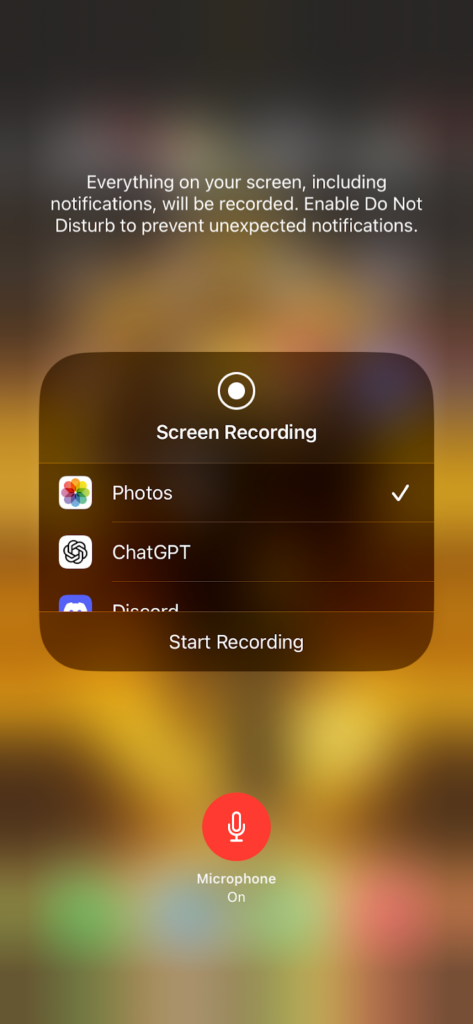

If you have collected your video and audio evidence of your parents’ abusive behavior on your phone, it is extremely important to keep this evidence away from them. If your phone is often seized or searched, you may need to use specific strategies to hide the videos. Refer to the following sections for more information on Backup Devices and Navigating Device Searches, Restrictions and Monitoring.
If you are unable to exercise any of the previously mentioned methods to record video and audio evidence of your parents’ abuses, then they are still ways to keep records. Make sure to have dated notes and extensively written documentation of every instance that your parent exhibits an abusive behavior, and then how that negatively affects your mental health. This documentation is critical if your case ever reaches the hands of CPS or the court system.
Backup Devices
Violations of Privacy are one of the most common ways that oppressive parents exert their control over their children. This usually manifests itself in control over a teenager’s devices, including their phone, computer or other electronics. As previously mentioned, having free access to devices is instrumental in a teenager’s life for various reasons. Most importantly, it allows them to have regular access to communication with their friends, and lets them have a safety line in case of emergencies. But parents often disregard these concerns, and choose to either seize devices as punishment, or institute dangerously overbearing monitoring and restricting software onto them.
In these circumstances, it is wise for a teenager to acquire a backup device that is unknown to their parental figures, in order to have an unrestricted way to communicate with their friends freely, and access the internet. Cheap options for extra phones are easily accessible at local stores. Target and Walmart both have cheap phones that usually cost around $25 – $30. Being able to get the backup devices locally is useful if you do not have access to a bank account, and need to pay for the devices in cash.
However, if you are unable to leave the house on your own due to parental oppression, other options exist. Backmarket sells unlocked phones that you can use with any carrier including cheaper ones. They start out at about $60 and can be ordered online. Other cheap options less than $50 do exist as well. But keep in mind, cheaper devices tend to be lower quality.
- Prepaid Motorola Moto G 2025, 64GB, 5G, 50MP Camera System, 6.7″ 120Hz Display, 5000mAh Battery, Unlocked
- Mini Phone 3.0″ HD Touch Screen Mini Smartphone World’s Smallest Unlocked Android
- C5L MAX | 2024 | All-Day Battery | GSM Unlocked | 5.7” Display | 16/2GB |US Version
Acquiring a cheap phone plan is also especially important if you want to have mobile data, texting, and calling ability from the phone. The previously mentioned stores such as Target and Walmart usually have cheap phone plans available that can be bought at the store, paid for a single month, and activated at home.
H2O wireless has a 12 month plan phone unlimited talk/text, costing $8.33 monthly / $100 yearly, or $80 with a ref code. Redpocket is $10 a month but gets slow speeds after the 3gb. It’s billed monthly instead of yearly, and is from a more trustworthy company than H2O.
If you are unable to acquire these phone plans, do not worry. You can still use your backup device without having texting, calling or mobile data. If your house has wifi, your backup device can connect to it and use the internet unrestricted. Several major social media apps including Discord and Instagram let you create group chats with your friends, so you can text, call, and facetime with them freely, using only wifi. However, when you acquire a backup device, make sure to check the name of the device within its settings. Most devices defaultly set its name to “[your name]’s phone”, which would be very conspicuous if your parents were to check which devices are connected to the wifi network. Make sure to rename the device to something that could be easily overlooked, such as “123”.
Once you have a backup device, hiding it is crucial. For optimal effectiveness in concealing the device, do not buy a case for it. Buying a case for the device makes it unnecessarily bulky, which can hinder your ability to hide the device effectively. One of the easiest ways to hide a backup device in plain sight, is “The Tissue Box Method”. This method is simple, all you need is a full rectangle tissue box, then open it up down the middle. After that, you can slip the phone inside, and use the tissues to perfectly conceal the device, making it virtually unnoticeable unless someone was specifically searching in the tissue box.


Along with hiding your device, make sure to remember all of your passwords. Never write down the password for the device somewhere in your room, or on your main device, since that leaves it open to being discovered during searches. If your main google account is managed by some kind of device monitoring software, make sure to NEVER sign into your backup device from that google account. Instead, create a new email address, and memorize that password as well.
By taking steps to resist your parents’ control over your online presence, and prioritize your own privacy, you are increasing your own autonomy, but also increasing your personal risk and responsibility. Make sure to practice basic online safety awareness when engaging with others on the internet.
- When forming any online friendship/relationship, make sure you extensively verify that the person you are communicating with is indeed a real person, are the age they say they are, and do not have any negative intentions. Facetiming and video calling is the best way to ensure that an individual is who they say they are, as images of appearances can be fabricated to deceive you. Do not engage with anyone you believe has predatory intentions, and stay away from relationships with widely disproportionate age gaps or power imbalances. If you are in doubt about an individual’s intentions, the safest option is always to disengage.
- If you are experiencing cyberbullying or harassment online that is having a negative effect on your mental health or wellbeing, be sure to block the perpetrator, and report their conduct if they attempt to contact you further.
- Be aware of the personal information you reveal on the internet. We discourage putting identifying information about yourself- such as your full name, school and specific location- in your online profiles.
- Be aware of Phishing, Quishing, Smishing scams. Do not click any link that you cannot verify is safe.
- Make sure to not engage in any illegal activity on the internet.
Navigating Device Searches, Restrictions and Monitoring
For certain reasons, getting a backup device isn’t always an option. Lack of money, fear of the device being discovered, or an inability to receive the device are common hindrances that get in the way. In these circumstances, you will be forced to navigate potential device searches, restrictions and monitoring from your overbearing parental figures. Luckily, there are certain strategies you can use to mitigate this harm.
Firstly, if your device is often searched, and you are afraid of your parents reading your private messages with your friends, avoid texting them directly. Instead, create group chats, that you can be removed from (either by your friends, or remotely from a second device), and talk to them using those. This way, if your parents take your phone, you could log onto your computer and remove yourself from all of the group chats with your friends, so your parents cannot read through all of your private communications. Social media and messaging apps like Discord or Instagram are perfect for this. For a general rule of thumb, using traditional texting is more risky than using third party messaging apps, due to the fact that many device monitoring software allows parents access to remotely read all of the messages exchanged on the device.
If you have certain monitoring or managing software on your device that restricts you from accessing different social media platforms, there are certain ways around them. For example, if you have a screen time restriction that is built into your phone, regulating what apps you are allowed to download, you can always use the browser versions of various social media apps.
Do note, that certain apps like find my iphone do allow you to remotely factory reset your iphone, therefore removing any managing or monitoring software from it. However, this will wipe the device of all of your data and should only be used as a last resort.
Along with this, you should always have a backup google account, where you conduct most of your searching and browsing. Then, if you have reason to believe that your device is about to be searched, you can quickly log out of the backup google account so your parents only go through your main, inconspicuous google account. Make sure to remember all of your passwords, do not write them down on your device or else they are at risk of being discovered. If your google account is monitored, consider using other search engines such as Duckduckgo.
Hiding your camera roll from device searches is especially crucial if you are compiling recorded evidence of your parents’ abuses against you. There are several ways to do this. First of all, iPhones come with a “hidden album” that requires your password to be unlocked. Hiding your important images or videos here can work if your parent doesn’t know of its existence. However, this strategy is risky, as they can easily discover the album, and demand you unlock it. Going to settings, and clicking on the photos section gives you an option to hide the hidden album from the photos app, therefore making it even more difficult for your parents to discover its existence.
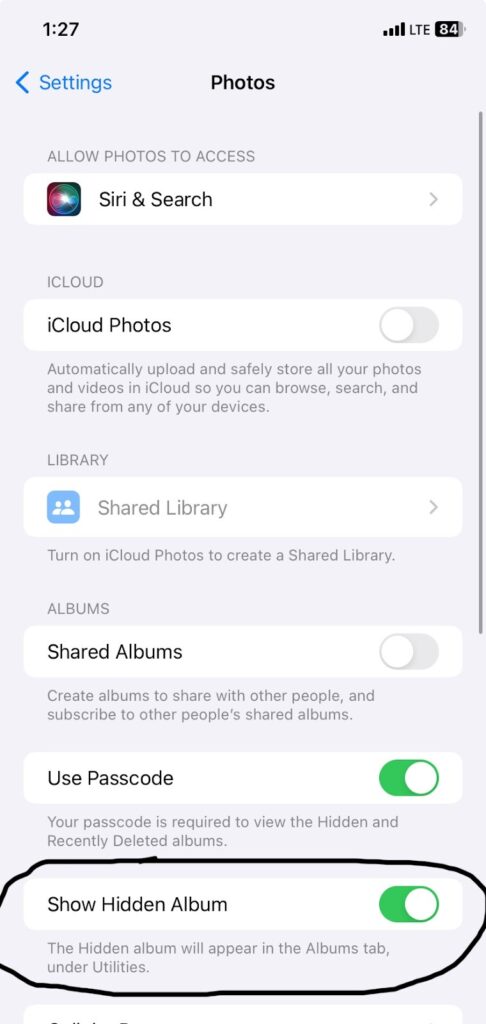
If you do not have access to a hidden album, or if your parents know of its existence, consider using other storage apps for important files. Google Drive and Google Photos are quick, easy to operate, and can be used from either iphones or android phones. On Google Photos, options exist to automatically upload photos from your camera roll into google photos. However, these can easily be accessed by your parents if you are logged into your google account, or they have managing access to it. Along with this, Google Drive and Google Photos come with a 15 GB limit (per google account) on the free version.
Other file storing apps like Dropbox could work as well, but they have similar file size limits, making them ineffective for long term use. For images, consider creating a Discord archive. This is very easy to set up, all you need is an account on discord, and you can create a free discord server that only you can access. Then, you can manually upload photos and videos from your camera roll into the server, with captions to allow them to be searched up later. Discord has the unique advantage of having no limit on the total size, or amount of files you can upload. However, you cannot upload single files that are over 8 MBs without a paid discord nitro subscription (which extends the limit to 500 MB). This makes discord effective for storing photos, but not longer videos.
For longer videos, consider creating a Youtube archive. On an unmanaged google account, create a youtube channel, then upload all of your longer videos to it, marking them as private so only you can access them. You can then download these videos at any time from another device. However, uploading videos longer than 15 minutes requires phone number verification for your youtube channel.
Once your important pictures and videos are stored safely within your chosen archiving platforms, make sure to log out of them (remembering the passwords) before your device is searched, to ensure they are not located by your parents.
If you are unable to create an online archive for whatever reason, you need to hide your important files in other ways. Consider using various methods of cold storage, such as external hard drives, flash drives and SD cards.
External Hard Drives – External hard drives store large amounts of data and connect through a USB cable. They’re great for backing up photos, videos, and documents from a computer. Many modern phones can connect to external hard drives using a USB-C cable or an adapter (such as USB-C to USB-A or Lightning to USB), but the drive may need its own power source and must be formatted in a phone-readable file system (like exFAT). Hard drives also have a major disadvantage in the way that they are usually bigger and bulkier, making them difficult to conceal.
Flash Drives (USB Drives) – Flash drives are small, portable storage devices that plug directly into a USB port. Some are designed specifically for phones and come with both USB-A and USB-C or Lightning connectors (often called OTG or dual-connector drives). These are very convenient for quickly moving files between a phone and a computer without needing the internet. Flash drives are smaller, and easier to conceal.
SD Cards and MicroSD Cards – SD cards and smaller microSD cards are commonly used in cameras, tablets, and some Android phones for expandable storage. Many Android phones have a microSD slot built in, allowing direct storage and access. For phones without a slot (including most iPhones), an SD card can still be accessed using a USB-C or Lightning card reader adapter. While SD cards have difficulty connecting to phones, they are the smallest form of physical storage, making them the easiest to hide and conceal.
Acquiring Financial Independence
Financial Independence is a crucial way to earn back your personal autonomy from your oppressive parental figures. One of the most common forms of parental oppression is limiting financial independence which, in serious cases, can manifest itself in one’s parents stealing their hard earned money from them. Parents usually can get away with this without repercussions due to “teen bank accounts”, which for most banks, is the only type of bank account a minor is eligible for. Teen bank accounts require an adult co-signer, who then has access to the bank account, and can remove money as they please with no legal consequences.
However, there are some ways that young people can acquire their own independent bank accounts. Bank of America is the most youth friendly of all the major banks, and gives the lowest age limit for teenagers to open independent checking accounts. Bank of America’s “getting started” page confirms that when creating a checking or savings account, there only needs to be a co-applicant 18 years or older “if any applicant is under 16”. This policy means that minors 16 and older are allowed to have access to their own, financially independent checking and savings account. However, minors under 16 are still subject to the same restrictions and parent monitored accounts that other banks enforce. It is also important to note that multiple forms of identification (drivers licence if applicable, social security card, passport, birth certificate, etc) are required when applying for an independent bank account, which can cause issues if you do not have access to those documents.
If you are 16 years old or older, Bank of America is your best bet for acquiring financial independence, and having a bank account which your parents have no access to. But if you are too young, not near a Bank of America or unable to do this for any other reason, you’ll need another method.
With most other major banks that mandate teen bank accounts for anyone under 18, the adult co-signer doesn’t actually have to be a parent. In fact, any adult could co-sign with you, and then be the one with managing access to the bank account. This is why it is extremely valuable to have a trusted adult in your life, especially when you are in a situation where you are attempting to undermine your parents’ oppressive control. So if your trusted adult would be willing to help you acquire an independent bank account, this will bring you one step closer to financial independence. Keep in mind, multiple forms of your identification are still required for opening the account- meaning that your trusted adult must have access to them as well.
This could cause issues if the trusted adult is not also trusted by your parents. For optimal success, a close relative and family friend is your best bet to use as the trusted adult. A common excuse for needing your identification methods that the trusted adult could tell your parents- is that they’re taking you on a vacation and need your passport/social security card in order to do so.
This method will work for most states, however, it should not be attempted in certain states that have legal provisions giving parents more control over their child’s bank accounts. Please note that according to the According to the Conference of State Bank Supervisors, five US states (and DC) place additional financial restrictions on young people’s access to non-custodial bank accounts (accounts with plain money that can be spent directly).
In Texas and Oklahoma, parents have the right to deny their minor children from having checking or savings accounts. In West Virginia, parents have the right to block payments to their minor children (if the minor is using a bank and not a credit union). In Florida, a parent must consent to the account opening for non-custodial checking and savings accounts. In Washington D.C, minors need consent from parents to put money into non-custodial credit union accounts.
In Missouri, the requirements are extremely complicated. You have to be 16 or over, and you then have to be homeless or a victim of domestic violence (with an exception for minors serving a sentence or minors under the supervision of Missouri’s version of CPS), and you have to not be supported by your parents physically or financially, and a parent has to have consented to the child not living with the parents (not to the bank account specifically) or the parent has to have kicked the minor out or they have to have refused to provide any financial support or abused or neglected or committed domestic violence (with Missouri’s definitions of those things, do note that Missouri allows corporal punishment) against the minor.
If you do not have access to a trusted adult, or are unable to use the previous method due to your state’s legal restrictions, then financial independence will be an even greater struggle in your fight to resist your parents’ overly controlling clutches. In these situations, it is important to keep cash, especially if you believe that your parents will remove money from your teen bank account as a punishment. Make sure to connect with trusted peers, who you could trade cash to for them to order anything online that you would need. When keeping cash, if you have a reasonable suspicion that your parents would steal it from you, make sure to keep it well hidden. A very easy and unsuspicious way to hide cash within the confines of your own room, is to slip it in between the tissues of an open tissue box. Since cash is light and flat, it won’t change the weight or appearance of the box at all, making it virtually unnoticeable unless you were looking for it.
In these situations, if you also have a job, consider asking for simple paychecks that you can cash, instead of using direct deposit into a bank account. This would prevent your parents from having access to your money, and therefore give you more control.
Read more about How teenagers can acquire independent bank accounts
Disclaimer – This Webpage is not meant to offer legal advice.