
In the United States, the current minimum age to legally purchase alcohol is 21, which makes it one of the highest in the world. Drinking is also one of the few areas where you can legally be discriminated against based on your age after reaching legal adulthood. It has a serious impact not only on what people can do in the privacy of their own home, but also what jobs they can obtain, and even whether they can see their favorite band. It influences how our society questions the maturity and capabilities of young people well after it makes any sense to do so. In challenging our absurdly high drinking age, we can create a society that gives young Americans the respect we all deserve.
Table of Contents
- Drinking Age Related Pages
- Introduction To Drinking Age
- Historical Background
- The early American drinking culture and the lack of regulation (1700s–1800s)
- The era of temperance movements and the Prohibition (1820s–1933)
- The impact of the Vietnam War and the wave of lowering the drinking age (1960s–1970s)
- Interstate Drinking and the Traffic Safety Crisis (1970s–1980s)
- The influence of social movements and scientific research (1980–1984)
- Federal intervention and national uniformity (1984)
- Drinking Age Case Studies
- Common Ground in Drinking Age Laws
- Comparison of the US’s Drinking age to Global Drinking Ages
- Comparison of Drinking age to Other Legal Rights
- Legal Enforcement of Drinking Age Laws
- Legal Penalties for Underage Drinking
- Challenges about legal enforcement
- Criticism of the Current Drinking Age System
- Drinking Age Unfairness



Introduction To Drinking Age
The Minimum Legal Drinking Age (MLDA) refers to the age limit at which a person can legally purchase or consume alcoholic beverages. Alcoholic beverages typically include beer, wine, and spirits, among others. Different countries and regions have different regulations on this matter: some countries allow drinking at the age of 18, while others set a higher age limit. Governments initially set drinking age limits to regulate the sale and use of alcohol, thereby reducing the health and safety risks posed by alcohol to teenagers, such as alcohol dependence, cardiovascular diseases, or liver diseases, etc.
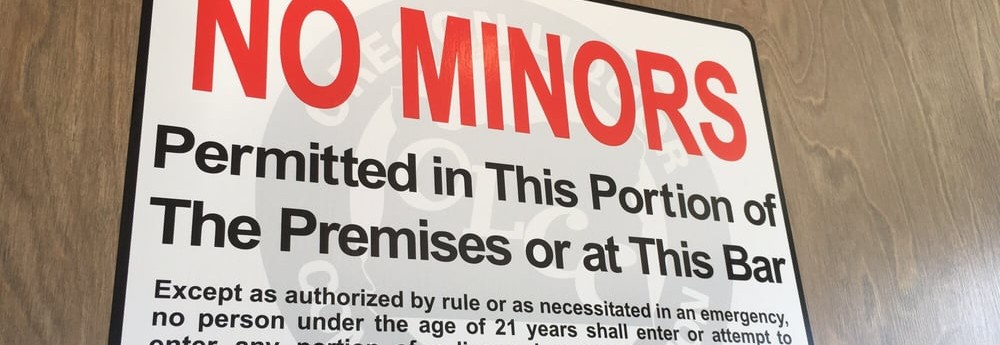
The issue of the drinking age has long been a highly controversial policy topic in the United States. Supporters argue that maintaining a 21-year-old drinking age helps reduce alcohol abuse phenomena, such as drunk driving accidents, and protects the physical and mental health of teenagers. However, critics also point out that this policy contradicts the inherent principles of the US legal system and is inconsistent with the globally recognized “18-year-old adulthood” standard. For instance, citizens over 18 years old can vote, join the military, get married, and independently sign civil contracts, but they cannot purchase alcohol or even enter places selling alcohol. Some studies and social observations also indicate that strict age restrictions may lead some minors to engage in underground drinking behaviors. Therefore, the drinking age issue not only concerns public safety, but also involves the assessment of the maturity of minors’ minds and the fundamental questioning of legal consistency.
For youth rights advocacy groups, the drinking age is not only a public health policy but also relates to the legal rights of young people and even the issue of age discrimination. In the United States and globally, individuals aged 18 are already capable of bearing various legal responsibilities. However, in the alcohol policy, they still have to abide by higher age restrictions. Based on this background, some youth rights advocates believe that society needs to seriously discuss whether the law has maintained the appropriate consistency in granting young people rights and responsibilities. Therefore, the drinking age issue has gradually become an important and unavoidable topic in the discussion of youth rights.
Historical Background
The early American drinking culture and the lack of regulation (1700s–1800s)
During the colonial period and the early years of the United States’ founding, alcohol was extremely common in daily life. Beer, apple wine, rum, and whiskey were important components of social activities. According to historical research, the per capita alcohol consumption in the United States in the early 19th century was much higher than the modern level, and the per capita pure alcohol consumption around 1830 even reached several times that of modern America.
In the past, alcohol was sometimes used as part of the payment for wages. Even in some areas, it was regarded as a medical product and was used to relieve pain or treat colds. Moreover, during the 18th and 19th centuries, urban public health conditions were poor, and the drinking water in many areas was prone to contamination. Fermented or brewed beverages (such as beer and cider) were sometimes considered safer than untreated water, which further reinforced the prevalence of alcohol in society.
During this period, the United States had virtually no legal restrictions on the drinking age. Drinking was regarded as a part of an individual’s or family’s habits and did not require strict government supervision. Although some towns might restrict the sale of alcohol to people who were clearly heavy drinkers, there were basically no age restrictions on teenage drinking.
Bars are also very common in daily life. They serve as social venues as well as centers for political discussions and business transactions. It is not uncommon for young people and adults to frequent these places together. Drinking is widely accepted at the social level. However, it is precisely this disorderly state that gradually accumulated the social conditions necessary to promote the rise of the temperance movement.
The era of temperance movements and the Prohibition (1820s–1933)
In the early 19th century, as urban poverty intensified due to the acceleration of industrialization, the concern about the harm of alcohol in American society grew increasingly stronger. The Temperance Movement gradually gained momentum among religious groups, entrepreneurs, and social reformers. They believed that alcohol was the root cause of various negative behaviors such as domestic violence, poverty, and crime. Various anti-alcohol advocacy organizations emerged one after another. Among them, the Anti-Saloon League became one of the most politically influential groups in the early 20th century. Through continuous lobbying at the local and state levels, it laid the foundation for national prohibition legislation.
In 1919, under various pressures, the United States officially ratified the Eighteenth Amendment to the United States Constitution and implemented the Volstead Act, which officially prohibited the production, sale and transportation of alcohol.
However, the implementation of the prohibition law was far from the expected outcome. Alcohol consumption did not disappear; instead, it shifted underground — illegal bars (Speakeasies) rapidly emerged in many cities, and people obtained alcohol through illicit channels. At the same time, the illegal alcohol trade promoted the expansion of organized crime as well. Cities like Chicago and New York became the centers where criminal groups competed for the alcohol market. For young people, underground bars became a new type of social venue, and drinking gradually took on a certain rebellious cultural tint. These effects persisted for decades and became one of the important arguments against the mandatory drinking age law in the future.
As time went by, the enforcement of the Prohibition Act became increasingly difficult. The growth of the illegal market, the high cost of law enforcement, and the loss of a large amount of alcohol tax revenue made people increasingly doubt the rationality of the Prohibition Act. Especially after the Great Depression broke out in 1929, the federal government hoped to increase tax revenue and create job opportunities by restoring the legality of alcohol.
Finally, in 1933, the United States passed the Twenty-first Amendment to the United States Constitution, which repealed Prohibition. The Twenty-first Amendment clearly stipulates that each state has the right to determine the production, sale, and transportation methods of alcohol. Since then, the United States has formed a highly decentralized alcohol regulatory system. Most states have set the legal drinking age at 21 — this standard is partly derived from the common law tradition in the UK, where 21 has long been regarded as the legal age of full adulthood, meaning that individuals possess the ability to independently enter into contracts and bear legal responsibilities.
The impact of the Vietnam War and the wave of lowering the drinking age (1960s–1970s)
As the United States became more deeply involved in the Vietnam War, a large number of 18-year-olds were conscripted into the military. This action by the government sparked widespread discussions about the rights of adulthood: If 18-year-olds could already join the military and bear the risks of war, then should they also have the right to vote and other adult rights? Therefore, in 1971, the United States passed the 26th Amendment to the United States Constitution, lowering the voting age from 21 to 18.
Against this backdrop, many states began to re-examine their minimum drinking age laws. From the early 1970s to the mid-1970s, approximately 30 states lowered the minimum drinking age to between 18 and 20 years old. Some states allowed 18-year-olds to drink, while others maintained the 21-year-old limit. These differences among the states soon led to unexpected consequences.
Interstate Drinking and the Traffic Safety Crisis (1970s–1980s)
When the drinking age varies from state to state, young people often purchase alcohol in neighboring states. This phenomenon is referred to as “border hopping” in policy discussions, and President Reagan later directly called it “blood borders“. Young people living in states where the legal drinking age is 21 often drive to the neighboring state where the age is 18 to drink and then return, significantly increasing the risk of traffic accidents near the state border.
The research data confirm this concern: in states that have lowered the drinking age, the death rate of drunk driving among people aged 18 to 20 has significantly increased; while near state borders, the number of alcohol-related traffic accidents involving young drivers has also significantly risen. According to the NIAAA, in the mid-1970s, alcohol was a factor in over 60% of traffic fatalities, and two-thirds of traffic deaths among persons aged 16 to 20 involved alcohol. In 1982 alone, NHTSA recorded 26,172 alcohol-related traffic deaths nationwide.
In response to the increasing number of traffic accidents, since 1976, at least 16 states have passed legislation to raise the minimum drinking age in their respective states. This phenomenon of policy change indicates that concerns about traffic safety have formed some consensus at the state level. However, due to the lack of uniformity in state policies, the problem of cross-state drinking remains unsolved fundamentally.
The influence of social movements and scientific research (1980–1984)
In May 1980, after her daughter tragically died in a car accident caused by a drunk driver, Candace “Candy” Lightner founded Mothers Against Drunk Driving (MADD). Through methods such as publicity, education and policy initiatives, MADD successfully redefined the issue of drunk driving from a sporadic individual phenomenon to a public safety concern. This move significantly increased public attention to the matter. By 1984, MADD had approximately 300,000 members in 44 states across the United States and had become a core social force driving federal legislation.
During this period, research on traffic safety and health also provided a wealth of data support. The Insurance Institute for Highway Safety conducted accident analyses on 9 states that raised the drinking age. The results showed that in these states, the average number of fatal night-time car accidents involving drivers under the age of 21 decreased by 28%. The study also pointed out that in the 14 states that had raised their drinking ages as of January 1981, the result each year is about 380 fewer young drivers involved in nighttime fatal crashes. Those data provided an important basis for policy changes.
On April 14, 1982, President Reagan signed Executive Order 12358, establishing the Presidential Commission on Drunk Driving. The commission was composed of 26 members appointed by the president and two representatives from each of the two houses of Congress. In December 1982, the commission released its interim report, recommending that all states immediately raise the minimum legal drinking age to 21. In November 1983, the commission released its final report, proposing 39 recommendations covering ten major areas, including “unifying the minimum age for purchasing alcohol at 21” as a core priority policy, and suggesting that the federal government withhold highway funds from states that refused to comply.
These 39 recommendations cover ten areas including public awareness, public education, private sector participation, alcohol beverage regulation, system support, law enforcement, prosecution, judicial decisions, driver’s license management, and education and treatment. They constitute a systematic plan. The committee clearly warned that any single measure could only bring short-term effects, and that the ten areas must be advanced as a whole to achieve lasting changes. However, after the signing of the NMDAA in 1984, the recommendation regarding the minimum drinking age received overwhelming media attention, while the other 38 recommendations were almost completely ignored in policy discussions — this outcome was exactly contrary to the committee’s original intention.
It is worth noting that initially, Reagan himself was reserved about using federal financial means to interfere with state powers. During his meeting with committee members in December 1983, Reagan explicitly expressed his opposition to the funding reduction clause. However, in the face of the continuous pressure from MADD and the strong arguments in the final report of the committee, his stance gradually softened over the following months, eventually leading to the signing decision in 1984.
Federal intervention and national uniformity (1984)
On July 17, 1984, President Reagan signed the National Minimum Drinking Age Act in the Rose Garden of the White House. Candy Lightner and the Transportation Secretary Elizabeth Dole attended the signing ceremony together. In his signing statement, Reagan described the phenomenon of cross-state drinking as “a crazy policy puzzle” and stated that the 18- to 20-year-old age group had the highest rate of alcohol-related accidents among all age groups.
The passage of the NMDAA marks a monument to the drinking age in the United States, moving from a highly decentralized, state-based system to a unified national system. Since 1975, it is estimated that this act has reduced alcohol-related traffic accident deaths by 13%, saving the lives of nearly 30,000 young people. The number of alcohol-related deaths among those aged 16 to 20 has decreased by 77%, making this the group with the greatest improvement across all age groups.
However, this law has also sparked numerous controversies. Critics point out that the remaining 38 recommendations in the final report of the committee have been completely ignored in this law. At the same time, the emphasis on raising the drinking age in this law actually merely simplifies the complex issue of teenage drunk driving. Moreover, a large number of young people aged 18 to 20 choose to ignore this law, just as people did during the Prohibition era, and continue to drink underground or in private places.
To read more about the National Minimum Drinking Age Act, check out the following webpage:
Drinking Age Case Studies
The development of the legal system regarding drinking age in the United States has been influenced by a number of significant judicial cases, which collectively define the scope of authority of the federal government and state governments in alcohol regulation.
South Dakota v. Dole (1987)
This case is a challenge by the state of South Dakota against the federal government’s action of reducing highway funding. The state government believes that the federal government’s use of fiscal means to force the state to raise the drinking age violates the constitution and infringes upon the state’s rights.
Ultimately, theUS Supreme Court, based on the Spending Clause in the Constitution, ruled that Congress could encourage state governments to adopt certain policies through fiscal conditions, as long as these conditions were reasonably related to the use of federal funds. This judgment confirmed the constitutionality of the NMDAA and established the legal basis for the federal government to influence state policies through fiscal incentives.
Craig v. Boren (1976)
This case pertains to a gender-based drinking law in the state of Oklahoma. In this state, women are allowed to purchase low-alcohol beer at the age of 18, but men must wait until they are 20.
The Supreme Court ruled that this gender disparity violated the principle of equal protection under the Fourteenth Amendment of the Constitution. Additionally, during this process, the Supreme Court also established the “intermediate scrutiny” standard for reviewing gender classifications, requiring laws involving gender classifications to have a substantial connection to important government interests.
Granholm v. Heald (2005)
This case is about whether the state government can restrict out-of-state wineries from selling alcoholic beverages to consumers within the state. The Supreme Court ruled that although the 21st Amendment grants each state government the authority to regulate alcohol, the Commerce Clause prohibits states from setting trade barriers, including those related to alcohol. This judgment clarifies that the Commerce Clause takes precedence over each state’s alcohol regulatory regulations.
Common Ground in Drinking Age Laws
Although the laws regarding alcohol regulation may differ from state to state, they also somehow adhere to the following common principles.
Uniform minimum drinking age: Age of 21 is the minimum legal drinking age nationwide. Individuals under the age of 21 are generally prohibited from purchasing alcohol or possessing alcohol in public.
Alcohol sellers’ responsibility: Alcohol sellers must verify age, and selling alcohol to underages might be reliable for legal responsibility.
Zero Tolerance: For drivers under the age of 21, an almost “zero alcohol” standard is implemented. Any detection of extremely low alcohol content will constitute an offense and result in punishment.
Certain exceptions: Exceptions exist for some special uses, such as religious or medical use.
Deferred Disposition / Diversion: For minor or first-time alcohol-related violations by underages, the cases can be dropped or the criminal records can be cleared by completing educational or community service requirements.
911 Exemption (Medical Assistance Exemption): In cases of alcohol-related emergencies involving underages, if involved underages call 911 promptly and cooperate with the rescue, they may be exempted or have their violations reduced.
Social host liability laws: Approximately 30 states have enacted social host liability laws, which impose civil liability on adults who provide alcohol to underages and cause harm. This mechanism has had a significant transformative effect in Greek-style fraternities and sororities.
Read more about: Underage Drinking – State Profiles | APIS – Alcohol Policy Information System
Comparison of the US’s Drinking age to Global Drinking Ages
The minimum drinking age of 21 in the U.S. is a relatively high standard around the world.
Most countries set their minimum drinking age at 18, which is consistent with their age of adulthood. Developed countries such as Germany, the United Kingdom, France, and Australia all adopt this 18-year-old standard (in Germany, the purchase age for beer and wine is 16, and for spirits it is 18). Japan, by contrast, sets its minimum drinking age at 20, aligning with its historical definition of legal adulthood. Moreover, Nordic countries like Iceland, Norway, and Sweden have different minimum drinking ages for products with different alcohol contents, which usually range from 18 to 20 years old. Some Islamic countries (such as Saudi Arabia, Iran, and Kuwait) completely prohibit alcohol consumption.
For Details about the minimum legal drinking age in different countries, read: Legal drinking age – Wikipedia
Comparison of Drinking age to Other Legal Rights
The three-year gap between the 18-year-old adulthood system and the 21-year drinking age in the United States is one of the most controversial asymmetries in the American legal system. One can vote to elect national leaders, join the military and go to war, and sign legally binding contracts at the age of 18, but at the same age, they are not legally allowed to purchase a bottle of beer.
Voting Rights
| Right / Eligibility | Federal Minimum Age | Scope |
| Vote in federal and state elections | 18 | Nationwide for federal elections; some localities allow younger voters in local elections |
| Run for U.S. House of Representatives | 25 | Nationwide |
| Run for U.S. Senate | 30 | Nationwide |
| Run for President of the United States | 35 | Nationwide |
Military Service
| Right / Obligation | Federal Standard Age | Notes |
| Enlist voluntarily (without parental consent) | 18 | Nationwide |
| Enlist voluntarily (with parental consent) | 17 | Nationwide |
| Register for the Selective Service System | 18 (assigned male at birth) | Applies to all males aged 18–25, both residing in and citizens living outside of the United States |
| Legal drinking on overseas military bases | 18 minimum | Overseas bases follow host country law or Status of Forces Agreements; commanders may set higher limits, but no lower than 18; domestic bases follow the 21-year federal standard |
Other Rights and Duties
| Right / Obligation | Age Standard | Level | Notes |
| Obtain a driver’s license | 16 (most states) | State | Age and restrictions vary by state |
| Marry with parental consent | Varies by state | State | Most states allow 16–17 with parental/judicial consent; 16 states ban underage marriage entirely; 4 states set no minimum age |
| Marry without parental consent | 18 (most states) | State | Nebraska: 19; Mississippi: 21 |
| Vote | 18 | Federal | Some localities allow younger voters in local elections |
| Enlist voluntarily | 18 | Federal | 17 with parental consent |
| Sign contracts | 18 | State (most states) | |
| Jury duty eligibility | 18 | Federal / State | |
| Purchase rifles / shotguns (from licensed dealer) | 18 | Federal | No federal minimum for private sales; some states require 21 |
| Purchase lottery tickets | 18 (most states) | State | |
| Access adult (pornographic) content | 18 | Federal | |
| Purchase alcohol | 21 | Federal (via funding mandate) | |
| Purchase tobacco / nicotine | 21 | Federal | |
| Purchase handguns | 21 | Federal | 18 minimum for private sales |
| Gamble in casinos | 21 (most states) | State | |
| Rent a car at standard rates | 25 (most companies) | Industry practice |
When comparing these rights side by side, the legal system’s regulations on the rights and obligations of human beings aged 18 to 21 seem particularly strange: People in this age group have the rights to participate in politics, join the military, serve on juries, and independently sign contracts – all of which are clearly specific to mature adults. However, the simple act of purchasing a bottle of beer is severely restricted by the law, and this issue still sparks discussions in the United States to this day.
Legal Enforcement of Drinking Age Laws
Although the legal system for alcohol consumption age in the United States is relatively well-established, the actual enforcement remains a challenging task.
ID Verification
Identity verification is the first line of defense in enforcing the minimum drinking age law. In all 50 states of the United States, alcohol sellers have a legal obligation to verify the age of young customers and confirm that they are at least 21 years old. However, studies have shown that this line of defense has significant loopholes: in multiple surveys, the proportion of underage buyers who were able to purchase alcohol without presenting any identification ranged from 44% to 97%.
Electronic scanning is gradually replacing traditional manual visual inspection. Some states have passed legislation, allowing retailers who actively use electronic scanners to avoid legal liability for selling alcohol to minors in some circumstances, as the scanners can effectively identify the authenticity of identification documents and reduce the use of fake documents. However, the quality of modern high-fakes is now sufficient to deceive many scanning devices, and this technical method is not foolproof.
Compliance Checks
Compliance checks are currently the most widely used law enforcement tool. The core mechanism involves law enforcement officers arranging for minors to act as “triggers” and purchase alcohol in retail stores or bars. Relevant studies have shown that compliance checks can, on average, reduce illegal sales to minors by approximately 42%.
However, the actual coverage rate of compliance checks has far from reached the desired level. According to a national survey conducted between 2010 and 2011, only about 35% of local law enforcement agencies and 67% of state-level agencies reported that they conducted regular compliance checks; and the proportion of institutions operating optimally was only 4% to 6%.
Check Stations and Patrols
Cops in Shops is an important variation of compliance checks: law enforcement officers take on a uniformed role and work directly within alcohol-selling establishments, directly identifying and addressing the behavior of minors purchasing alcohol. This approach is more deterrent than traditional compliance checks, but it also consumes more law enforcement resources.
Some states and local governments have also set up fixed checkpoints during holidays or specific high-risk periods to conduct random checks on the ages and alcohol possession of departing customers. However, such checkpoints must strictly follow the relevant provisions of the Fourth Amendment of the Constitution in terms of legal application.
Apart from commercial sales channels, law enforcement agencies also need to address underage drinking issues in school parties and private settings. The police identify the locations of such gatherings through reports, emergency calls, or regular patrols and then enforce the law. Studies on party patrol programs in Oregon communities have shown that increased enforcement efforts targeting private underage drinking gatherings can significantly raise the number of underage possession citations and contribute to reductions in alcohol-related traffic incidents among minors.
Legal Penalties for Underage Drinking
For individuals under the age of 21, purchasing, possessing or consuming alcohol usually constitutes a minor offense. Common penalties include fines (ranging from $100 to $500 in each state), community service, mandatory participation in alcohol education courses, and revocation. The severity of penalties increases for repeat offenders, and multiple violations can be upgraded to felonies.
Using a report by FBI Crime Data Explorer, it estimates that from March 2021 to March 2026, police arrested around 223k people under age 21 for liquor law violations, among them, the majority ages are 18,19 and 20. Underage drinkers face a wide variety of legal consequences, including fines, driver’s license revocation, community service, and even jail time.
College students In addition to the consequences that any underage drinker can face, college students can face additional penalties from their schools. These include probation, loss of financial aid, and suspension or expulsion.
Underage non-drinkers don’t actually have to drink or possess alcohol in order to get punished for it. In many jurisdictions, police can charge the host of parties where minors in attendance (MIAs) happen for social host liability, even if they weren’t drinking.
Penalties for fake identity cards
Using a fake ID is an independent criminal offense, and the penalties vary greatly from state to state. Taking Illinois as an example, possessing a fake ID is classified as a fourth-degree felony, punishable up to 1 years in jail or fines up to $2500. At the federal level, in 2024, the main offender in the case of the website fakeyourdrank.com was sentenced to 18 months in federal prison.
Penalties for alcohol suppliers
Adults who provide alcohol to minors may face criminal penalties. Commercial sellers may be subject to administrative penalties (such as suspension or revocation of business licenses), criminal fines, and even imprisonment, as well as civil compensation lawsuits arising from the Dram Shop law.
In some states, like California or Florida, parents may also face legal consequences for providing alcohol to their underage children at home.
The long-term consequences of a criminal record
A criminal record resulting from underage drinking can have an extremely serious negative impact on the individual concerned, an impact that is far greater than the violation itself. Such a criminal record may hinder an individual’s college admissions or job applications, as colleges and employers often conduct background checks. For occupations that require licensure, such as education, medicine, finance or law, a conviction may also affect one’s application for a professional license. When it comes to military service, the U.S. military often rejects applicants with criminal records. Even if they are admitted, the enlistment process may be delayed. For active-duty service members, promotions and security clearances may also be affected. Some states allow records to be sealed for first-time minor offenders, but the records may still show up in background checks until the seal is completed.
Link for alcohol control departments for each state.
Challenges about legal enforcement
Fake Identification
Fake identification cards are the most common and difficult-to-eliminate means of evading age verification. In several studies conducted among college students, 33.5% to 46% of the surveyed underage students at the university reported having held fake identification cards, and approximately 83% to 86% of them used the fake cards for the purpose of purchasing alcohol or entering bars. The supply sources of fake identification cards have gradually shifted from local production to overseas, significantly increasing the difficulty of law enforcement. Take the University of Florida as an example. The campus police submitted nearly 50 felony complaints related to fake identification cards to the prosecutor within four years, but almost all cases were eventually downgraded to misdemeanors or the cases were ultimately dismissed.
Private Drinking Environments – Shoulder Trapping
Private and campus residences pose a significant obstacle to law enforcement efforts. According to the Fourth Amendment of the Constitution, law enforcement officers are subject to strict restrictions when entering private premises, including the requirement of a judicial warrant. Therefore, law enforcement agencies can only intervene when there is a report or an emergency situation. This means that a large number of underage drinking incidents that occur in private places cannot be resolved by law enforcement agencies.
Social and Cultural Factors
There are some deeply-rooted drinking cultures around college campuses — especially the “binge drinking culture” closely intertwined with Greek-style life and sports culture. Research shows that according to the 2024 Monitoring the Future survey, 74% of 12th grade students believed that obtaining alcohol was “fairly easy” or “very easy”. In many communities, underage drinking is not regarded as a serious moral issue, and this tolerant social norm directly weakens the social support base for law enforcement.
Limited Enforcement Resources
The law enforcement work also faces systematic resource constraints. The enforcement responsibility for underage drinking mainly falls on urban and county-level law enforcement agencies, but these agencies often prioritize handling more serious cases such as violent crimes. Prosecutors also generally tend to leniently handle cases involving underage drinking. Multiple studies suggest shifting the focus of law enforcement to administrative penalties, arguing that more certain and prompt minor penalties often have a more deterrent effect than theoretically more severe but actually rarely enforced criminal sanctions.
Criticism of the Current Drinking Age System
The critics’ arguments cover aspects such as practicality, timeliness, and whether it is excessive, etc. This part is the core that requires the most serious consideration in the entire discussion: Is the 21-year-old drinking age still the correct answer today, or has it merely been a historical product of a specific period that has survived by chance?
Exaggerated Cause & Effect Relationship
Supporters point to the reduction in traffic accidents after the implementation of NMDAA as the strongest evidence. However, this relationship is not completely undoubted somehow.
Firstly, research shows that the and above during the same period. This indicates that a portion or even a significant proportion of the reduction might be due to other reasons: a significant increase in seat belt usage, improvements in vehicle passive safety technologies (the widespread use of airbags), advancements in law enforcement techniques (improvements in breathalyzers), strengthened law enforcement, and an increase in public awareness, etc.
Secondly, the widespread use of ride-hailing services has also weakened the connection between “drinking alcohol” and “driving home” – this was precisely the core behavioral chain targeted by the NMDAA in 1984. According to research, In 2023, among respondents aged 16 and above, the proportion of those who drove after drinking alcohol in the past year was 5.9% (approximately 15.5 million people). How much of this decline can be attributed to the drinking age laws and how much to the change in travel methods?
Many other countries with stricter alcohol prohibition than the US have worse long-term alcohol problems. Meanwhile, many other countries with easier access to alcohol than the US have fewer long-term alcohol problems.
Limited Scope
Some studies have indicated that the overall decline in mortality rates among teenagers following the implementation of NMDAA was mainly concentrated in the category of traffic accidents regarding drivers from 18 – 21. However, other alcohol-related injuries (such as drowning, falls, and violence) did not show any significant reduction. Moreover, some research also points out that the accident rate bounces up again after the age of 21. Those suggest that the effective scope of NMDAA has been significantly overstated; it does not mean that it gives complete protection for teenagers as its supporters claim.
Enforcement Difficulties & Underground Drinking
As mentioned in the fifth part, the relevant laws encounter many problems at the implementation level, seriously undermining the effectiveness of the laws. Only about one third of the law enforcement agencies conduct regular compliance checks, and the percentage of online vendors using Online Age Verification is also low, not to mention the situation where the police do not have law enforcement authority in private properties.
An arbitrary, meanwhile poorly enforced law can cause many problems. It would mean arresting even more generally law-abiding people, pushing them into jails, and criminalizing them in the jail at last. The US already has the highest incarceration rate in the entire world. Jail can have serious long-term consequences even if ones are only there for a short amount of time, no matter to individuals or the society.
The situation today is very similar to the Prohibition era: The prohibition created an underground market, and the underground market led to even more chaos. From public places with staff and supervision, it shifted to unregulated areas Is such a law protecting young people, or putting them at greater risk?
Binge Drinking Culture & Lack of Gradual Learning & Erosion of Legal Authority
The statement of Amethyst Initiative also pointed out: The majority of minors in schools are still consuming alcohol and have even contributed to the establishment of a drinking culture on campus. The law has been collectively disregarded by the student group, not only wasting law enforcement resources but also weakening the authority of the law – when teenagers find that a certain law has no consequences when violated, it may lead them to develop a general disregard for the legal system.
The drinking age ensures that most of us start drinking in secret. Secrets of any kind are psychologically unhealthy, causing anxiety, negative thought patterns, and depression. Combined with an emotion-amplifying drug like alcohol, it’s no wonder the psychological effects of illegal drinking can be disastrous.
In addition to psychological problems, the secrecy of underage drinking can make it unsafe. Concentrating all the alcohol for the week into a single party leads underage drinkers to consume 90% of their alcohol through binge drinking. Underage drinkers may consume extra alcohol in order to get rid of evidence and avoid detection. They may also drink more since they do not know when they will be able to drink again and do not want to waste a scarce resource. Binge drinking is an extremely dangerous way to consume alcohol, costing billions of dollars in healthcare and other damages. Excessive alcohol use kills approximately 178,000 people annually in the United States.
Society should not expect that all people will suddenly develop a very good drinking habit at the age of 21. People outside the U.S. gradually began to consume alcohol during their youth, under the guidance of their family and elders. Then, they gradually developed healthy drinking habits to cope with the period of their lives when alcohol had the greatest impact, which is from the age of 20 to 30. However, the extremely strict drinking laws in the United States have almost completely excluded teenagers from the alcohol world, leading many of them to secretly consume alcohol in private. As a result, due to the lack of guidance, they develop incorrect drinking habits and even cause accidents.
Change in Time
The NMDAA was introduced under a specific historical context. In 1984, the issue of cross-state drinking and drunk driving had become a serious public safety problem. Automotive safety technology was lagging behind, law enforcement measures were limited, ride-hailing services had not yet emerged, and the “Mothers Against Drunk Driving” organization had only been established for a few years. Public awareness of the dangers of drunk driving was at an all-time low. This act reflected the situation of that specific period.
Forty years later, things have changed significantly. Now, ride-hailing services enable young people to get home safely after drinking without driving. Mobile phones make seeking help very convenient, and advancements in vehicle safety technology have also reduced the fatality rate in accidents.
Critics do not necessarily want to immediately abolish the current 21-year drinking age regulation. Instead, they believe that changing the 21-year drinking age should no longer be regarded as taboo, but rather a re-evaluation should be conducted to determine if there are better alternatives, such as lowering the drinking age or introducing a drinking license. Moreover, 41% of Americans would support lowering it from 21. This requirement is something any responsible political system can consider.
Drinking Age Unfairness
Legal Inconsistency
The 21-year drinking age is inconsistent with other standards for adult rights in the U.S. legal system. As detailed in the sixth section, this indicates that the law requires underage individuals to fulfill legal obligations, but denies them the basic freedom to purchase alcohol.
Supporters usually respond by saying “drinking alcohol is a privilege rather than a right”. But any action can be defined as a “privilege”, thereby restricting people’s rights. The deeper issue is that the widespread application of the legal system regarding “coming of age at 18” – from voting, military service to contractual capacity and criminal responsibility – represents society’s recognition of the judgment ability of this age group. If drinking is singled out as an exception, then any rights could potentially be included as part of the exception.
“If you’re old enough to fight and die for your country, you’re old enough to have a beer.” This argument successfully lowered the drinking ages in most states during the Vietnam War Era. However, these arguments were not enough to stop the drinking age from rising to 21 in the 1980s. Although this inconsistency is unfair, people who defend the drinking age say that “public security” is more important than fairness.
However, serving in the military is statistically far more dangerous than drinking. So are many other adult responsibilities, such as smoking and having sex. Yet when our country began taking such an interest in “public safety,” it did not also raise the military service age. This shows that our society’s idea of “public safety” is for 18-21-year-olds to put our lives and our physical and mental health at risk to protect older adults who sit safely at home, enjoying a glass of wine. This is not “public safety”—this is the safety of the old and the privileged.
Misplaced Protection
If the main reason for setting the legal drinking age at 21 is to protect vulnerable groups who are susceptible to the effects of alcohol, then this logic should apply to all high-risk groups, but this is not what happened in reality.
The elderly are particularly prone to health problems related to alcohol. As people age, the body’s ability to metabolize alcohol decreases, thereby increasing the risk of adverse interactions with other drugs. The risk of falls, cognitive decline, liver or heart damage due to alcohol consumption also significantly increases for the elderly. However, there is no legal restriction on the drinking behavior of the elderly.
Similarly, people with a family history of alcoholism, those taking specific medications, and those diagnosed with alcohol use disorder face a much greater risk of alcohol-related problems. However, the law does not impose any restrictions on them.
When you sit down at a bar or restaurant and order a shot of vodka, the server will only ask your age. They won’t ask you if you have a personal history of alcoholism, even though if you did, a single slip could seriously harm you as well as others. They won’t ask you if you’re pregnant, even though the CDC strongly recommends that pregnant women avoid alcohol completely. The law does not require restaurant to ask if the customers have ever been convicted of an alcohol-related crime, such as drunk driving, child abuse, or sexual assault to consume alcohol, but only if the customer is over 21 years old. In fact, in some states you can legally walk into a bar or restaurant carrying a loaded gun, take a seat, and order drink after drink until you’re visibly intoxicated—as long as you’re over 21.
The drinking age takes away the freedoms of law-abiding citizens because of the fear that we might make bad decisions with alcohol. But society considers it the right of anyone over 21 to drink, even if they’ve actually made (and continue to make) bad decisions with alcohol.
This imbalance indicates a political reason: people in the 18 to 20 age group lack political power, and they have not had the right to vote for a long time. It is commonly believed that this age group needs “restraint”, so they are easily targeted by legislation – this is not because they are the most vulnerable group. If the purpose of protection is genuine protection, then similar laws might be introduced for other high-risk groups, but such laws are likely to be regarded as discrimination and cause major controversy.
Ageism
If people under 21 can make such sacrifices for the country, as well as living independently, raising families, and engaging in all sorts of adult activities, then we should not be kept out of certain bars and restaurants and stores as though we were second-class citizens. Setting specific restrictions based on age may be regarded as discriminatory behavior — ageism. If an 18-year-old is considered mature enough to participate in combat, vote, and bear full legal responsibility for criminal acts, then depriving them of the freedom to drink alcohol seems unreasonable. Many adults over 21 also have serious alcohol abuse problems, and numerous young people aged 18 to 20 behave like adults in private or in places where drinking is allowed, and there is no real difference in their behavior.
Disproportionate Punishment
For individuals under the age of 21, purchasing, possessing or consuming alcohol usually constitutes a minor offense. Common penalties include fines, community service, mandatory participation in alcohol education courses, and revocation. Moreover, if the violations occur multiple times, the severity of penalties increases, and multiple violations can be upgraded to felonies. At the same time, these records can also have long-term effects, such as affecting one’s ability to attend university, find a job, and apply for professional qualifications. Overall, these consequences often far outweigh the act itself.
Lag behind the World
The United States is one of only a handful of countries (and the only Westernized one) that sets its drinking age to 21. And yet this higher drinking age has not put us ahead of other developed countries in any measurable way.
The US actually has worse traffic accident statistics than similar countries that set their drinking age at 18. According to the Centers for Disease Control and Prevention, In 2019, the population-based motor vehicle crash death rate in the United States (11.1 per 100,000 population) was the highest among 29 high-income countries. The population-based motor vehicle crash death rate decreased from 2015 to 2019 in 22 countries, but not in the United States. This is partly because of our society’s strong car culture, but also partly because of how we approach traffic safety. In much of the US, the top law enforcement priority is stopping underage drinking.
The US also has a higher prevalence of alcohol-related problems such as alcohol-use disorders, alcohol dependence, and harmful use of alcohol than some European countries, like Spain or Italy — all of which have lower drinking ages. The U.S. also has a high death rate from alcohol disoder. Clearly, the highest drinking age in the world does not have the dramatic benefits our society pretends it does. It is strange for a country that values individual liberty to be such an outlier, and yet to have so little to show for it.